

Share

min read

Senior Content Manager
Content specialist in office design and build.
-
You might have seen Grade A office space described as the best-quality office buildings available. But what “best” actually means isn’t always clear. Ask four brokers for a definition, and you could get four different answers.
This confusion is common because office grading isn’t governed by a single global standard. It’s influenced by local markets, building age, location, design, amenities and how well spaces meet modern business expectations. Because of this, “Grade A” can feel more like a label than a clear-cut category. That can be especially frustrating if you’re comparing options or trying to figure out why one building costs more than another.
In this article, we’ll break down what Grade A office space really means in plain English. You’ll also find out how it compares to Grade B and Grade C offices, and why those differences matter in practice, from rental costs to employee experience and long-term value.
-
What is Grade A office space?
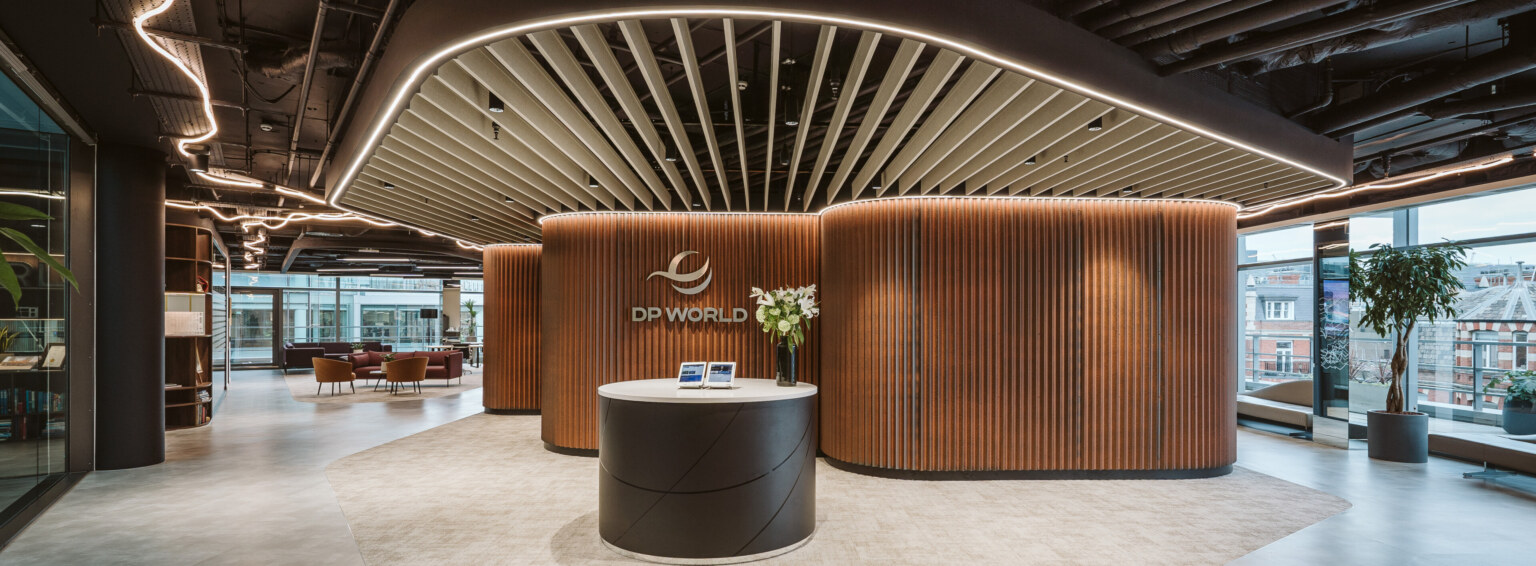
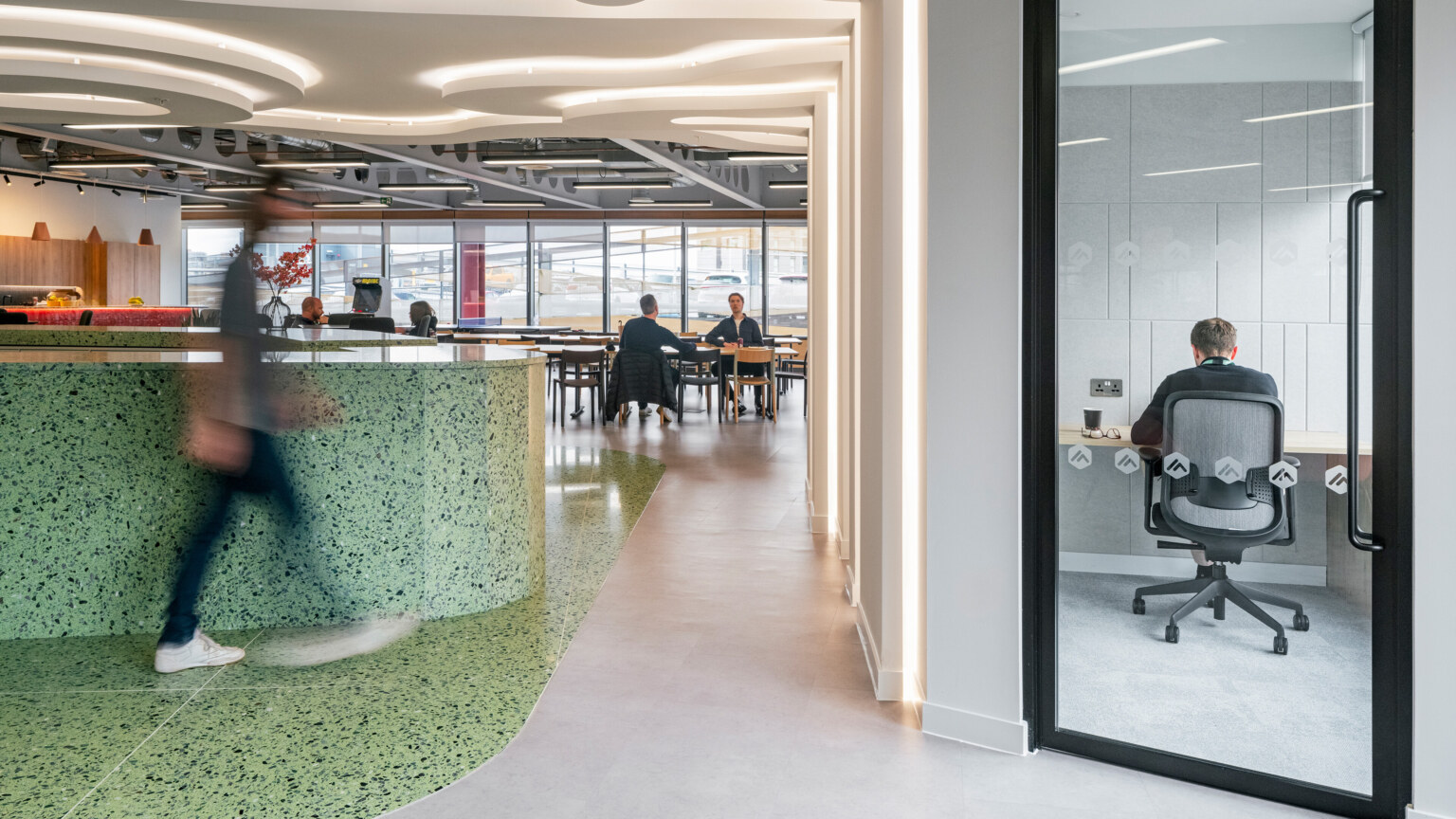
Grade A office space refers to the highest-quality office buildings in a given market. They’re typically new or recently refurbished in prime areas, offering modern infrastructure, strong sustainability credentials and a better experience for occupiers. These buildings set the benchmark for design, performance and amenities at the top of the market.
-


-
While the exact criteria vary regionally, Grade A space is generally defined by a combination of building quality, location, technical performance and how well the building meets current occupier expectations. Despite a common misconception, they’re not determined by age alone.
Common characteristics of Grade A office space include:
- New-build or comprehensively refurbished
- Prime or core commercial location
- High-quality base build and finishes
- Modern services, technology and infrastructure designed for modern-day working
-
-
Typical features of Grade A office space
As we’ve touched upon above, Grade A buildings tend to share a consistent set of physical, technical and experiential features. These are easy to spot once you know what to look for:
- Building age and condition – Usually new or recently refurbished to a high specification. Think modern façades, upgraded cores and well-maintained common areas.
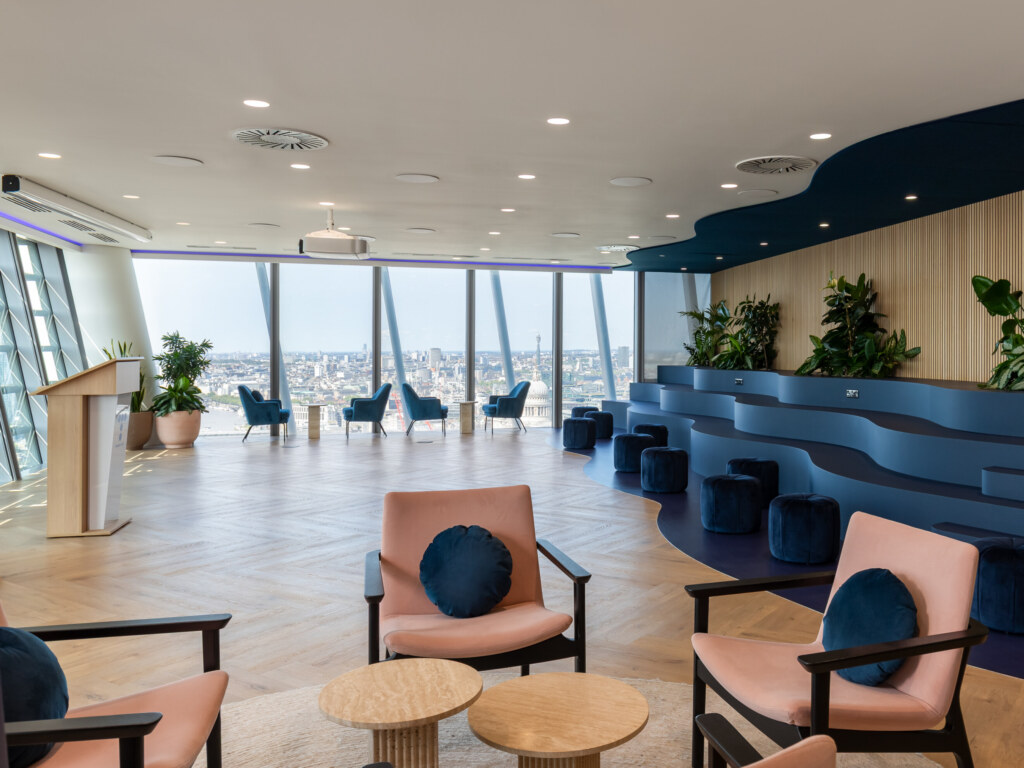
- Ceiling heights and natural light – Expect generous floor-to-ceiling heights, large windows and efficient floor plates that maximise daylight and create a more open, flexible workspace.
- HVAC and air quality – Modern heating, ventilation and air-conditioning systems provide comfort, efficiency and improved indoor air quality, often with advanced controls and zoning.
- Sustainability credentials – Strong environmental performance is supported by certifications such as BREEAM, LEED or high EPC ratings, reflecting lower energy use and reduced carbon impact.
- End-of-trip facilities – Active commuting and flexible working are supported by secure cycle storage, showers, lockers and changing facilities.
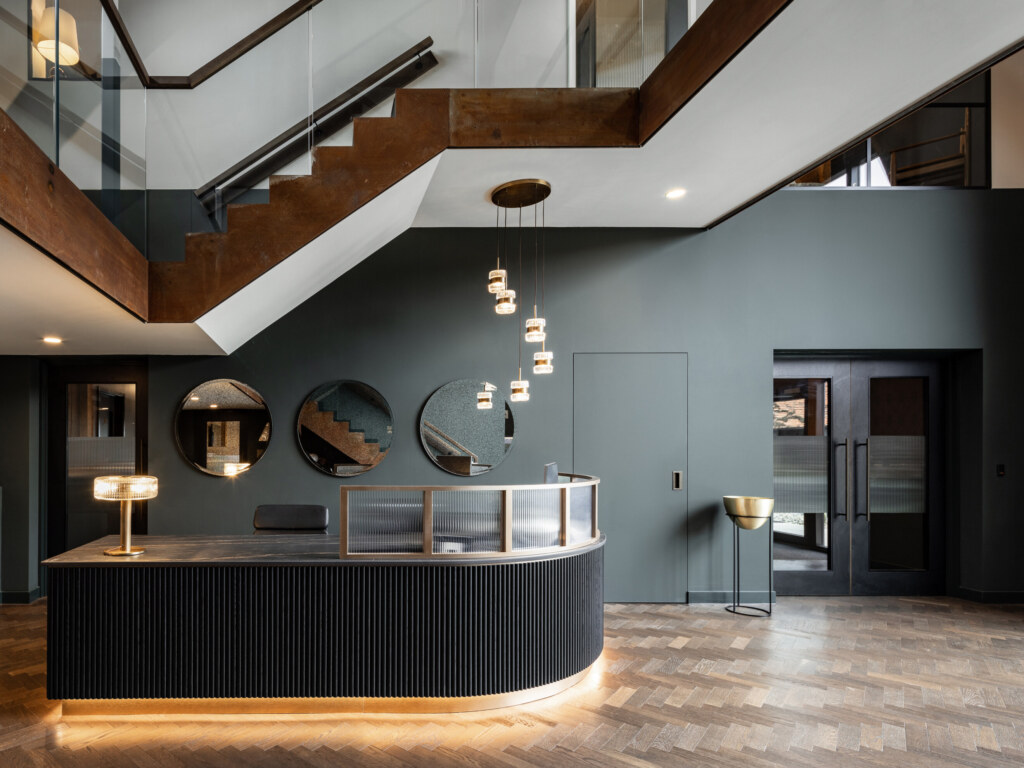
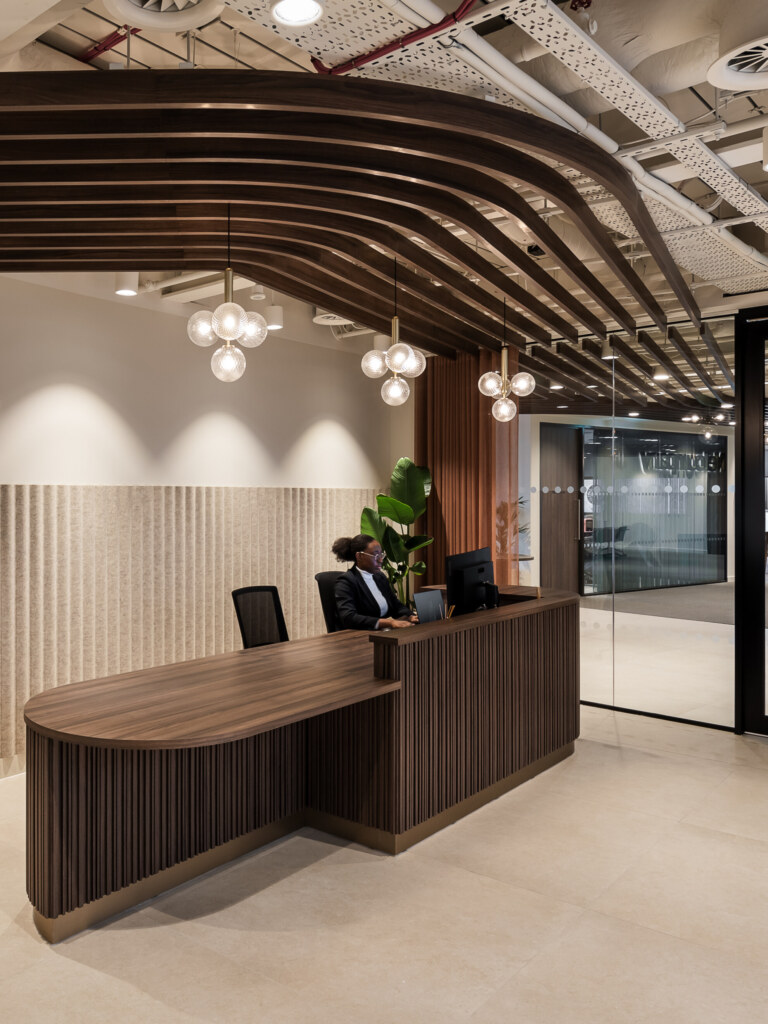
- Reception and shared amenities – Professionally designed reception areas, shared breakout spaces and meeting suites. You may also see on-site cafés or communal lounges.
- Flexibility for Cat B fit outs – Clear, efficient floor plates and raised floors allow occupiers to deliver bespoke Cat B office fit outs without major structural constraints.

-
Why these features matter
For occupiers, these elements directly affect employee comfort, wellbeing and productivity, with 81% of employees saying that wellbeing impacts their productivity at work. They also influence how adaptable the space is over time as teams grow and shrink or just change how they work.
-
-
What’s the difference between Grade A, B and C office space?
Office grades are essentially a quick way of comparing quality, cost and suitability. But the differences matter in practice. Below, we’ve summed up the key differences between Grade A vs Grade B office space, plus their less-discussed Grade C counterparts.
Office Grade Typical Quality Location Building Age Rent Level Common Use Cases Grade A Premium Prime New or refurbished Highest HQs and client-facing firms Grade B Good / functional Secondary or mixed Older but maintained Mid-range Cost-conscious businesses Grade C Basic Non-core Older, limited upgrades Lowest Short-term or low-budget use
-
Trade-offs between cost, quality and flexibility
- Grade A is often chosen by organisations that prioritise brand image, employee experience, long-term occupation and operational efficiency. It offers the highest quality and lowest operational risk but at a premium rent.
- Grade B appeals to businesses seeking a balance between quality and cost, but willing to compromise on location or amenities. It can provide good value but may require more investment or compromise.
- Grade C is usually selected for affordability, short-term needs or non-client-facing functions where workspace experience is less critical. It minimises upfront cost but usually comes with limitations around comfort, efficiency and adaptability.
-
Grade A office space vs Cat A / Cat B
One of the most common misunderstandings in commercial property is confusing an office grade with a fit out category.
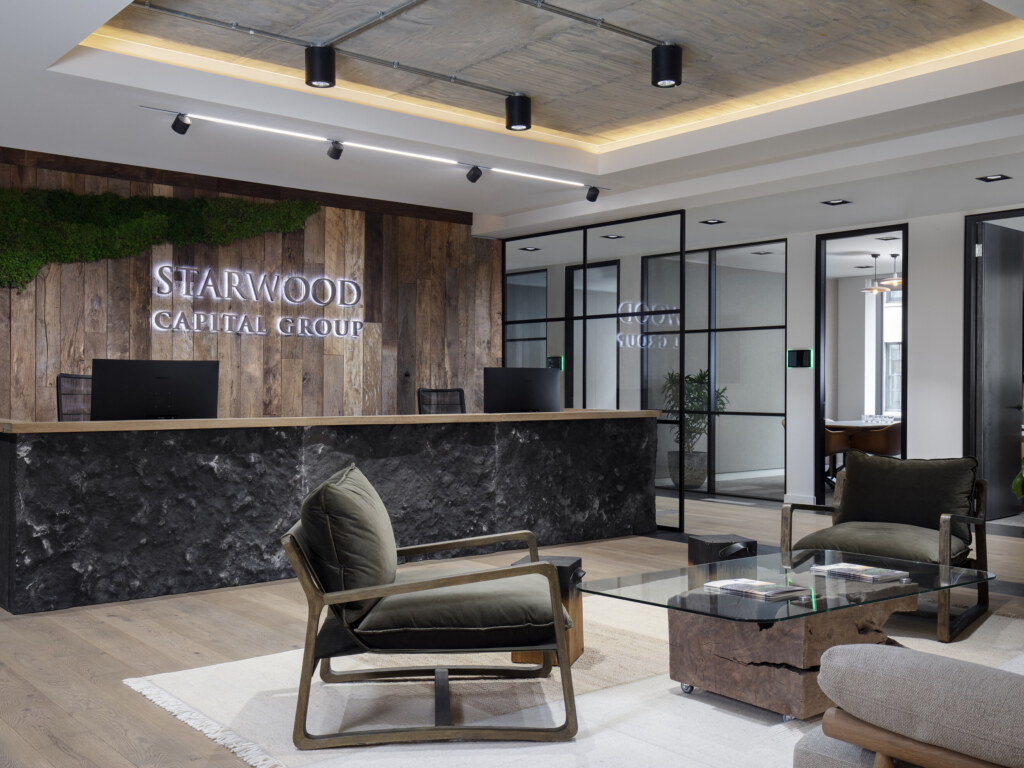
The key difference is that ‘office grade’ describes the quality of the building itself, while Cat A and Cat B describe the level of fit out inside the space.
They are related, but they’re not the same thing.
-
-
How they work together
Grade A office space is often delivered as Cat A internally, meaning it includes:
- Raised floors
- Suspended ceilings
- Lighting
- HVAC distribution
- Basic finishes and services
This provides a high-quality blank canvas. Most occupiers then invest in a Cat B fit out, which adds:
- Partitioning and meeting rooms
- Furniture and joinery
- Branding and finishes
- Breakout spaces and kitchens
-

-
Why Cat B investment still matters
Even in a Grade A building, Cat B fit out is what makes the space functional and aligned with how a business actually works. The building quality supports the fit out, but it doesn’t replace the need for one.
-
Who is Grade A office space best suited for?
Grade A office space aligns with business needs and long-term strategy, extending beyond sectors alone. Above all, it works best for organisations that value:
- Talent attraction and retention
- Workplace wellbeing and productivity
- Brand alignment
- Long-term operational efficiency
Here are some common use cases to give you a better idea:
- Corporate headquarters – Where brand image, consistency and employee experience are central to business performance.
- Professional services firms – Such as legal, financial and consultancy businesses that host clients regularly and rely on perception and credibility.
- Tech and growth companies – That need flexible, future-proof space to support collaboration, talent attraction and rapid scaling.
- Landlords targeting premium tenants – Who want to attract stable, long-term tenants and a more secure income stream.
-
Is Grade A office space worth the cost?
It goes without saying that Grade A office space typically commands higher rents. But it also delivers long-term value in a number of ways.
Higher efficiency
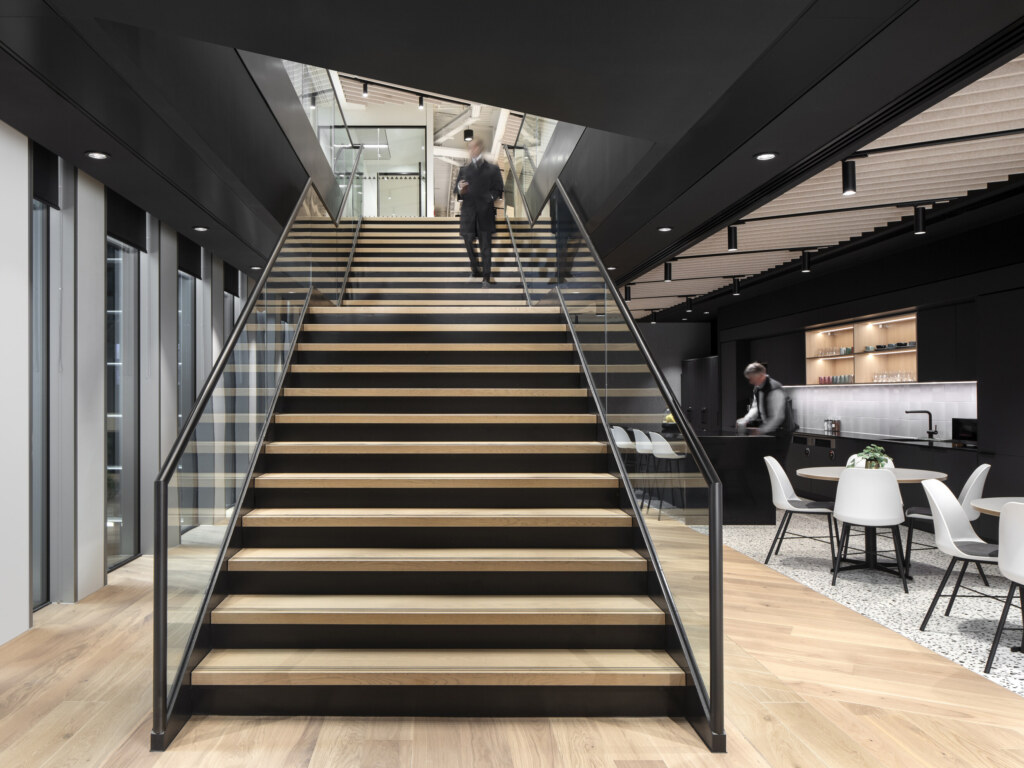
Firstly, you can recover some costs in the long run due to lower maintenance and repair expenses. You’ll also benefit from fewer disruptions due to building issues and better space efficiency over time.
-
-
Talent attraction and retention
High-quality workplaces play a growing role in attracting skilled employees. They also encourage office attendance, supporting wellbeing and engagement among your workforce. For many businesses, this has a measurable impact on performance. For example, Engage for Success reports that companies with high engagement had twice the annual net profit of those with low engagement.
Energy efficiency and operational savings
Going beyond functional efficiency, it’s also important to consider how energy-efficient the building is. Modern systems and sustainability credentials can lead to lower energy consumption and reduced running costs. Not to mention improved environmental reporting and compliance.
-

-
Brand perception
Your office space is often seen as a physical extension of your brand. Grade A buildings help reinforce professional credibility and premium market positioning. The result is more confidence for clients, partners and investors.
Is it worth it?
Obviously, Grade A office space isn’t the right answer for every business. But the premium is often justified by broader commercial benefits rather than rent alone. Especially if your organisation prioritises quality, longevity and experience
-

-
The bottom line on Grade A offices
Grade A office space represents the top tier of office buildings in any market. It’s defined by quality, location, performance and occupier experience rather than a single rigid standard.
While it comes at a higher cost, Grade A space offers long-term value. That includes improved efficiency, stronger brand perception and better support for modern working. Understanding how it compares to other office grades (and how it differs from Cat A and Cat B fit out) can help you make informed, strategic decisions.
If you’re planning to occupy Grade A space, the next step is often understanding how a Cat B office fit out can unlock its full potential.
-
-
Grade A office space FAQs
-
 What is Grade A office space?
Grade A office space is the highest-quality office space in a market. It’s typically well located and either new or refurbished. Common features include modern services, strong sustainability performance and a premium occupier experience.
What is Grade B office space?
Grade B office space is good-quality, functional office accommodation, often in older buildings or secondary locations. It offers lower rents than Grade A but with fewer amenities and less modern infrastructure.
What’s the difference between office grades?
Office grades compare the overall quality of buildings, covering location, condition, services and experience. On the other hand, fit out categories describe how the internal space is finished.
What is Class A office space?
Class A is the term commonly used in the US. It broadly aligns with Grade A in the UK, though definitions vary by market for both terms, so there isn’t any universal standard.
-
 What is Grade A office space?
-
Contact us
Get in touch to discuss your potential office space costs
020 7553 9500
info@oktra.co.uk
-
"*" indicates required fields
Related content

-
Want updates on similar new content? We’ll send you an email a month with new insights when you join our mailing list.
JOIN THE LIST
