

Share

min read

Senior Content Manager
Content specialist in office design and build.
-
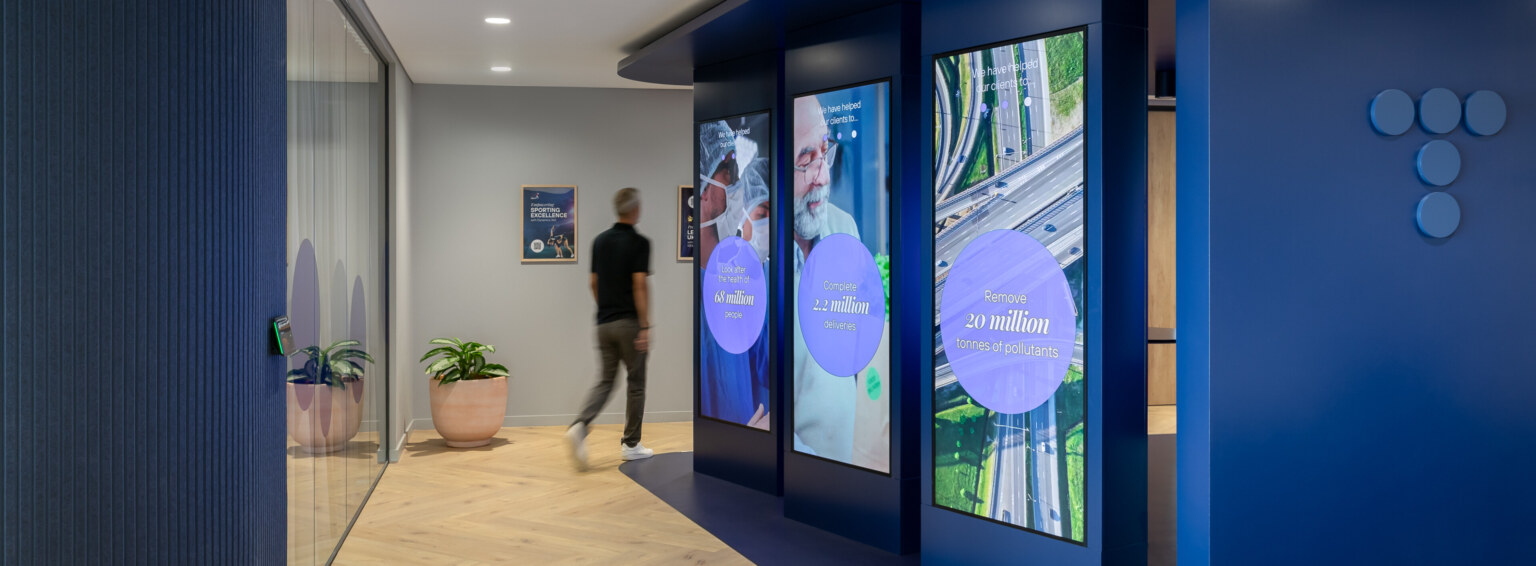
Workplace technology is advancing at a pace that’s reshaping how offices operate and how people use them. AI is becoming an active co-worker rather than a background tool, and buildings are gaining the capacity to adjust lighting, temperature and systems autonomously. For business leaders planning their next workplace move, the challenge is keeping sight of which innovations will still matter in three to five years.
That’s where design-led thinking becomes essential. When delivering workplace projects, we’re increasingly integrating digital infrastructure, smart systems and user experience considerations from the very beginning. It’s no longer possible to layer technology on top of a finished design. The next generation of workplaces will rely on environments built around data, connectivity and human behaviour.
This article explores the workplace technology trends that will define 2026. From AI-driven buildings to hyper-intelligent sensor networks and new modes of hybrid collaboration, these innovations are transforming how organisations plan, design and manage their workplaces.
To make exploring the article easier, you can jump straight to the trend that matters most to your workplace using the sections below.
Table of contents
- What is workplace technology?
- Trend 1: AI as an autonomous co-worker and building operator
- Trend 2: Hyper-intelligent smart offices powered by IoT
- Trend 3: Next-generation hybrid collaboration
- Trend 4: Sustainability tech and energy management systems
- Trend 5: Security-first and privacy-led workplace technology
- Data integrity as a design dependency
- Best office technology for 2026 (quick list)
- FAQs
-
What is workplace technology?
Workplace technology refers to the digital systems, tools and connected infrastructure that support how people work and how offices function. It spans everything from the software employees use every day to the sensors, networks and automated systems embedded within the building itself. The aim of workplace technology is to create a smoother, safer and more productive working environment.
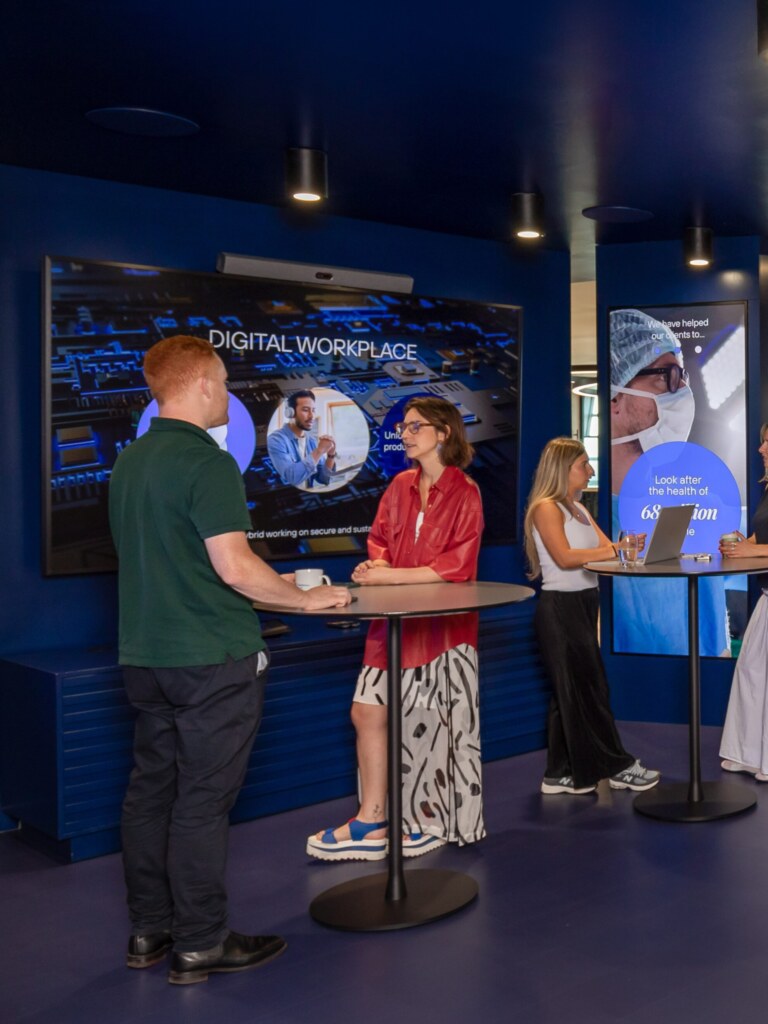
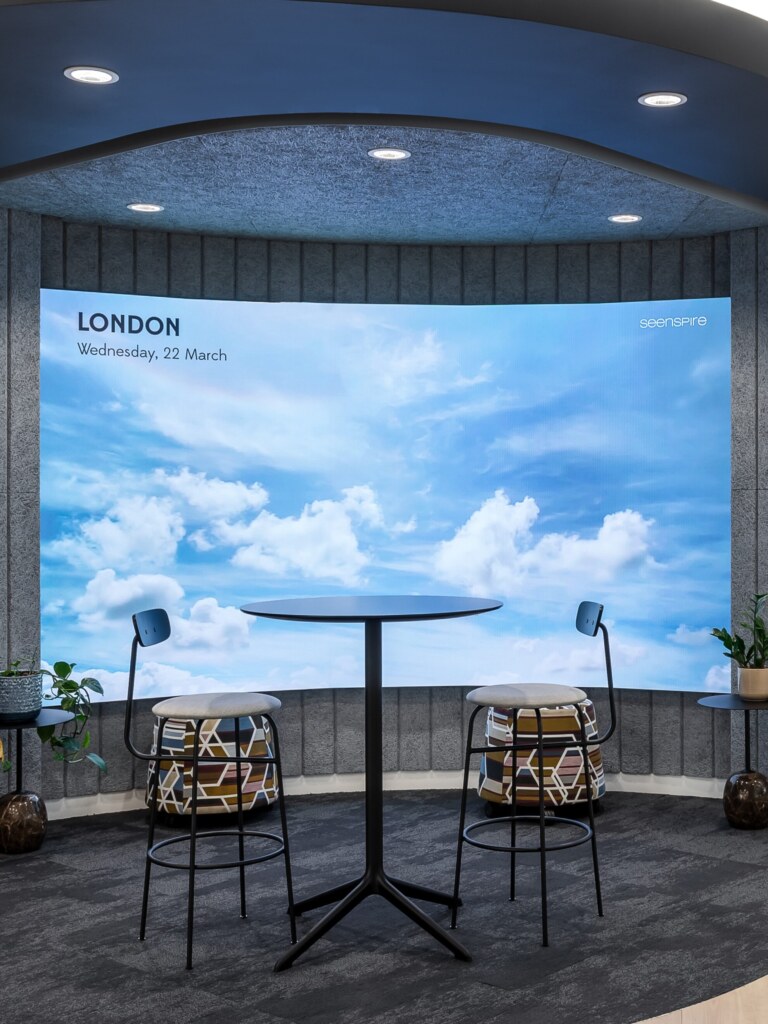
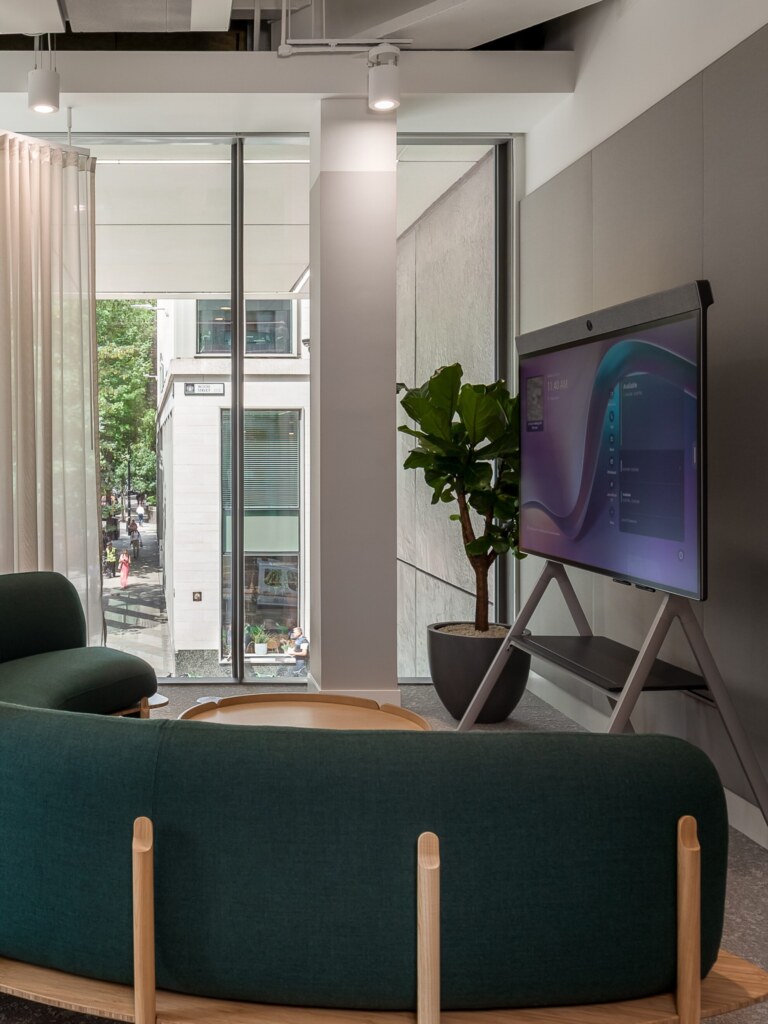
Examples range from AI platforms and room-booking tools to IoT sensors, AV systems, XR environments, digital twins, HVAC automation, and access control. As these tools become more integrated, they are forming a single digital ecosystem that shapes both the experience and performance of the workplace.
-
The top workplace technology trends for 2026
The technology shaping tomorrow’s workplace reflects a shift toward smarter buildings, more intuitive collaboration tools and systems that actively support both people and operations. Each one is influencing how organisations plan their workplaces and how design teams think about future-proofing space.
-
1. AI as an autonomous co-worker and building operator
AI is moving deeper into the everyday fabric of work. 92 % of companies expect to increase their AI investments over the next three years, and its growing capability as an autonomous co-worker means tools can now take on routine tasks, coordinate information and surface insights without constant human input. This evolution is already changing how people handle workflows, decision-making and administrative pressure, leading to early evidence of AI-driven productivity gains.
-

-
Inside the building, AI is starting to operate as a real-time system manager. Platforms can analyse occupancy patterns, tune HVAC performance, adjust lighting and anticipate maintenance needs before faults occur. These systems free facilities teams from reactive management and bring greater control over energy use, often delivering meaningful reductions in both carbon output and cost.
For office design, this level of automation demands a stronger digital backbone. Data infrastructure, network capacity and flexible layouts all become essential. When integrated early, AI-enabled systems not only streamline operations but also create workplaces that respond to their users with far greater accuracy.
-
2. Hyper-intelligent smart offices powered by IoT
Smart offices are becoming more responsive as sensor networks grow in both scale and sophistication. IoT devices now monitor occupancy patterns, air quality, temperature, lighting conditions and energy use throughout the day. This continuous flow of real-time data enables buildings to adjust themselves automatically, creating environments that feel more intuitive and more comfortable for their users – something we’ve identified as one of the top workplace design trends.
-

-
For design teams, sensor-driven workplaces provide clarity around how space is really being used – particularly in today’s workplace where, on average, 43% of desks are used for less than an hour per day. That data supports better planning decisions, more adaptable layouts and workplaces that evolve in line with changing patterns of work.
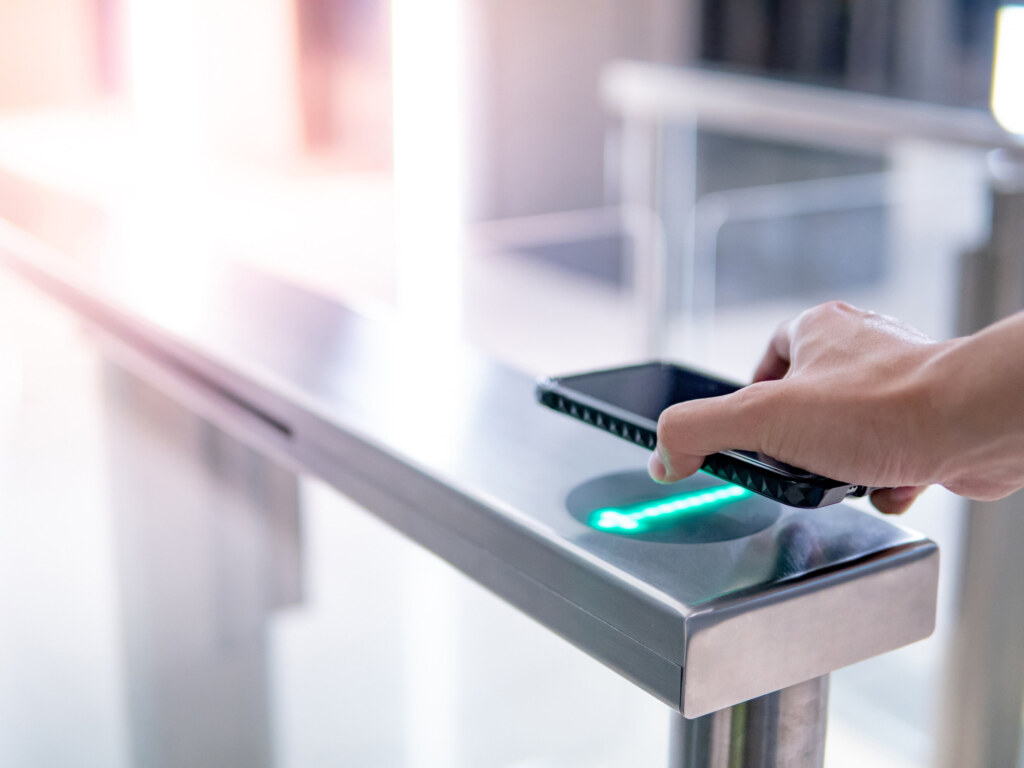
Access control is also evolving, with app-based credentials and biometrics improving both user experience and security. These systems integrate with wider building management platforms to simplify movement and maintain higher levels of protection.
-
3. Next-generation hybrid collaboration
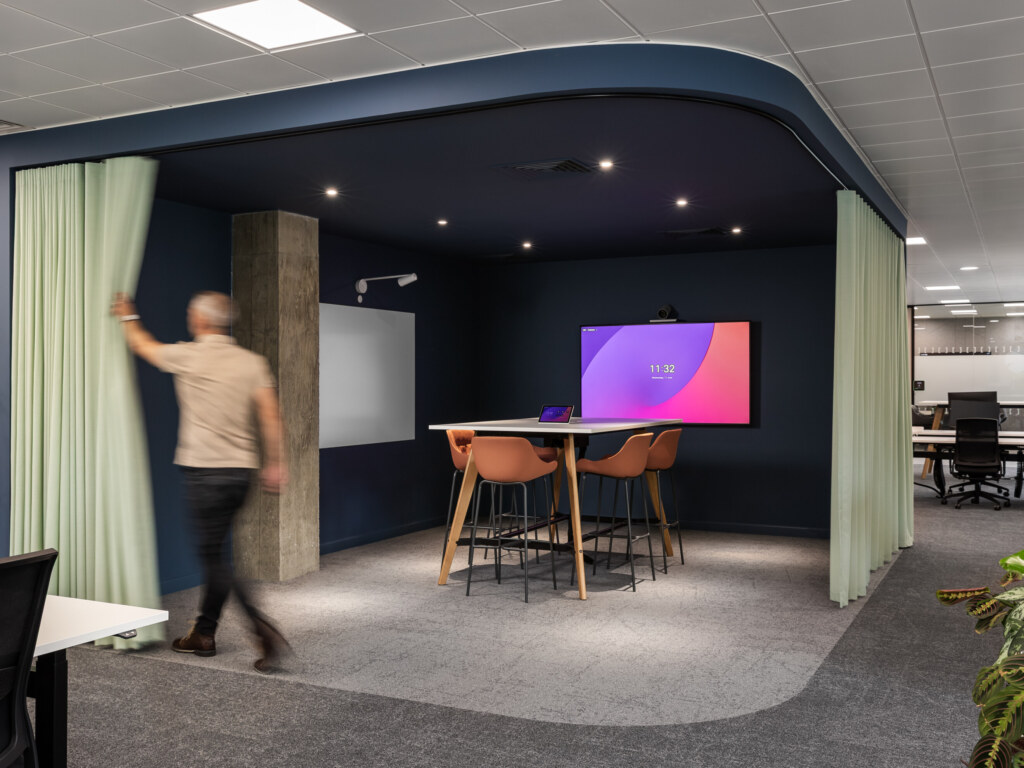
Hybrid collaboration continues to evolve as software-led systems replace the hardware-heavy setups of the past. Most meeting environments now run on cloud-first platforms, allowing people to join from any device without complicated room controls. This shift supports the way teams actually communicate, reducing barriers and improving reliability.
-
-
Intelligent cameras and microphones create a more equal experience between remote and in-person participants. These tools track speakers, balance audio and ensure clarity even in busy rooms. OLED displays are also becoming more common, offering sharper visuals, better colour accuracy and lower energy use.
These developments are changing the requirements for meeting room design. Flexible layouts, stronger acoustic treatment and stable connectivity have become central to creating spaces that support seamless hybrid interaction.
-
4. Sustainability tech and energy management systems
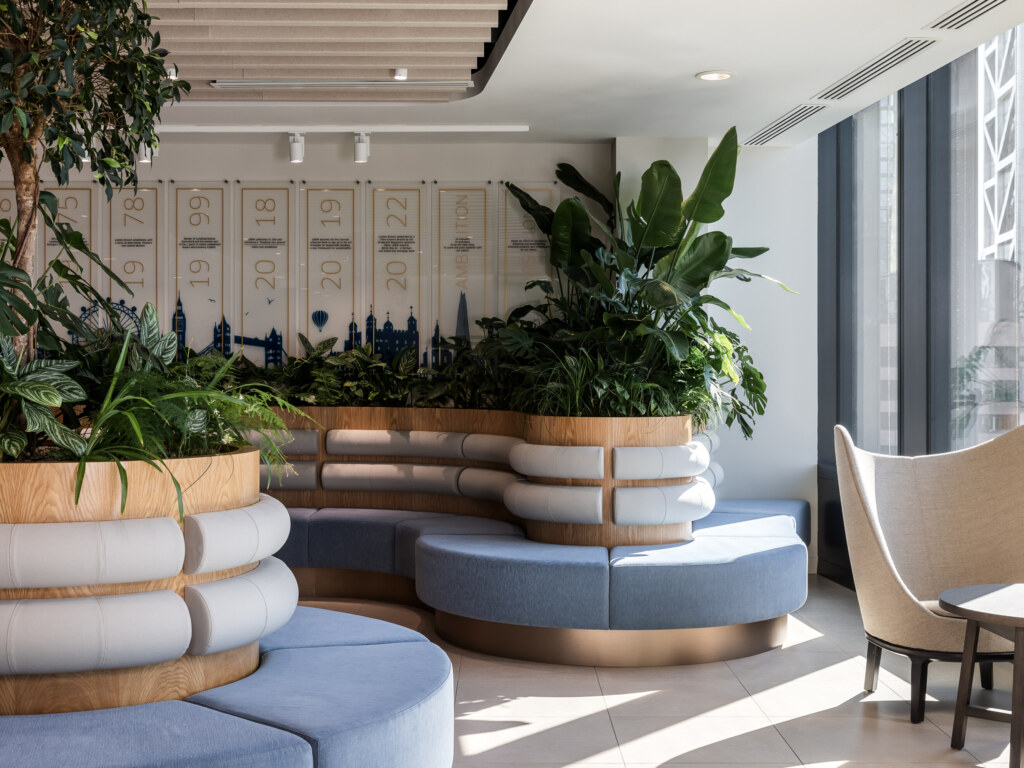
Sustainability is driving some of the most meaningful advances in workplace technology. Businesses are under growing pressure to reduce energy use, cut carbon output and demonstrate clear progress against ESG commitments. Smart building systems give teams the data and tools to do this in real time, rather than relying on manual checks or assumptions.
-
-
AI‑powered HVAC platforms monitor occupancy patterns, weather conditions and air quality to refine heating and cooling as the day evolves. These systems are already achieving notable reductions in energy consumption, with early adopters reporting savings of up to 25% on HVAC alone. Smart windows, efficient LED lighting and demand‑responsive controls add further gains.
Carbon‑tracking platforms are giving businesses a clearer view of their operational footprint. Automated data capture supports ESG reporting and helps organisations understand how everyday actions influence longer‑term sustainability targets.
-
5. Security-first and privacy-led workplace technology
Growing connectivity in the workplace brings a parallel rise in security requirements. With more devices, sensors and systems working together, businesses need a security model that assumes every interaction must be verified. Zero‑trust frameworks are becoming the standard approach, protecting both physical and digital environments.
-
-
IoT integration is another area where vigilance is essential. Each connected device adds a potential entry point, so encryption, access controls and regular updates form a critical foundation. As these technologies evolve, design teams increasingly collaborate with IT and cybersecurity specialists early in the planning process.
Privacy is gaining equal weight. Employees want reassurance that sensors are monitoring environments rather than individuals, and that data is handled responsibly. Clear communication about what is being collected and why helps build trust and encourages adoption of new systems.
-
Data integrity as a design dependency
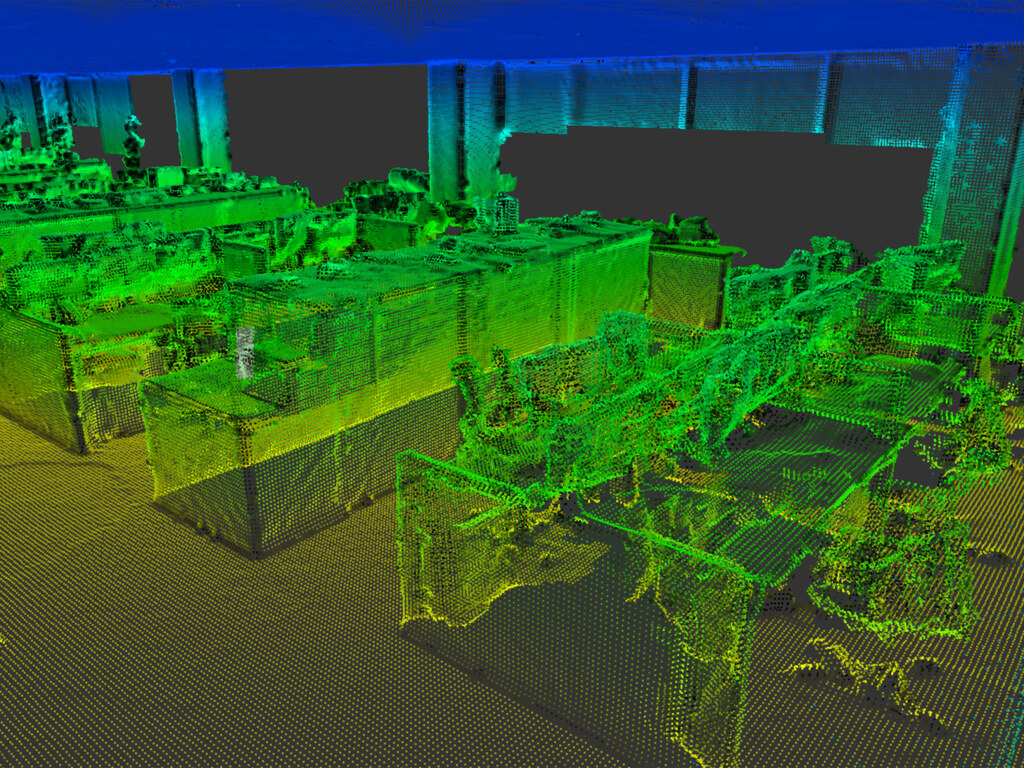
From a workplace design perspective, technology that leads to more accurate information has become one of the most valuable assets. Many of the delays, redesigns and unexpected costs that occur during fit outs can be traced back to incorrect or outdated drawings.
A major catalyst behind this shift is the rise of digital twins. These detailed 3D models reflect the workplace as it actually exists – right down to the millimetre. The accuracy comes from reality capture technology, which has become a cornerstone of our design process.
-
-
For clients, this level of certainty has real business impact. It supports clearer programme planning, more predictable delivery and stronger cost control. When data underpins every design decision, the workplace becomes faster to build, easier to adapt and far less likely to experience disruption.
-
“Digital twins give us a level of certainty we could never achieve with traditional survey information. When we scan a building and generate an accurate 3D model, every design decision becomes faster and more informed. It removes guesswork and helps teams see the space as it truly is, meaning every design decision we make automatically becomes faster and more informed.”
Alex Turner, Digital Design Director
Oktra
-
Best office technology for 2026 (quick list)
The tools gaining traction in 2026 share a common theme: they strengthen productivity, improve building performance and help teams collaborate with fewer barriers. While adoption will vary between organisations, these technologies are set to deliver the greatest value across a wide range of workplaces.
- AI-powered space analytics: Tracks utilisation patterns and helps teams optimise layouts in real time.
- Smart HVAC platforms: Adjust heating and cooling based on occupancy and environmental data.
- OLED collaboration displays: Offer clearer, brighter visuals with lower energy use.
- Air quality and IEQ sensors: Monitor CO₂, particulates, humidity and noise to support wellbeing.
- Room and desk booking tools: Provide visibility of who is in the office and when, reducing congestion.
- Smart access control systems: Improve security while making movement through the building simpler.
- Digital twin dashboards: Give teams a live model of the workplace to plan changes more accurately.
- Energy optimisation systems: Reduce waste and improve building efficiency through real-time insights.
-
Aligning technology with design
The most successful workplaces in 2026 will combine design, data and technology to create human‑centric, high‑performing environments. By understanding how digital systems shape experience, organisations can make smarter decisions about layout, infrastructure and long‑term adaptability.
These trends show how quickly the workplace is evolving, and how essential it is to align technology with design from the very beginning. When digital tools and spatial strategy work together, businesses gain workplaces that feel better to use, cost less to run and adapt more easily to future needs.
If you’re planning a move or refurbishment and want to integrate technology from day one, speak to our team about creating a workplace that’s ready for 2026 and beyond.
-
-
FAQs
-
 What is workplace technology?
Workplace technology refers to the digital tools, systems and connected infrastructure that support how people work and how offices operate. It includes both everyday software and the smart building systems embedded within the physical environment.
What are some examples of workplace technology?
Examples include AI platforms, booking tools, AV systems, IoT sensors, XR environments, HVAC automation, digital twins and smart access control. These tools help teams collaborate, manage space and improve building performance.
How is technology changing the way we work?
Technology is making work more flexible, more connected and more data‑driven. AI is reducing administrative load, sensors are improving space planning, and hybrid collaboration tools are creating more equal experiences for on‑site and remote teams
What are future workplace trends for 2026?
Key trends include autonomous AI systems, intelligent buildings, software‑led collaboration tools, sustainability tech, enhanced cybersecurity and sector‑specific adoption patterns.
What is the best office technology for 2026?
The most effective tools are those that improve experience and performance, such as AI‑powered analytics, smart HVAC platforms, IEQ sensors, digital twins and software‑driven collaboration systems.
-
Related articles


-
Want updates on similar new content? We’ll send you an email a month with new insights when you join our mailing list.
JOIN THE LIST
-
Contact us
020 7553 9500
info@oktra.co.uk
-