Share

min read

Head of Sustainability and Environmental
Head of Sustainability and Environmental in office design and build.
-
We’re pleased to announce our partnership with Material Index, a circular economy platform that is helping us make material reuse a more practical and measurable part of the way we deliver workplace projects.
The partnership addresses a challenge the construction and workplace industries have been talking about for a long time: how do we keep valuable materials in use for longer?
Construction produces more than 60% of the UK’s waste, yet only 1% of building components are currently reused. There is a significant gap between the materials already available within our buildings and the amount we manage to keep in circulation.
Office refurbishment presents a particularly important opportunity to change that.
A well-designed office doesn’t need to mean brand new
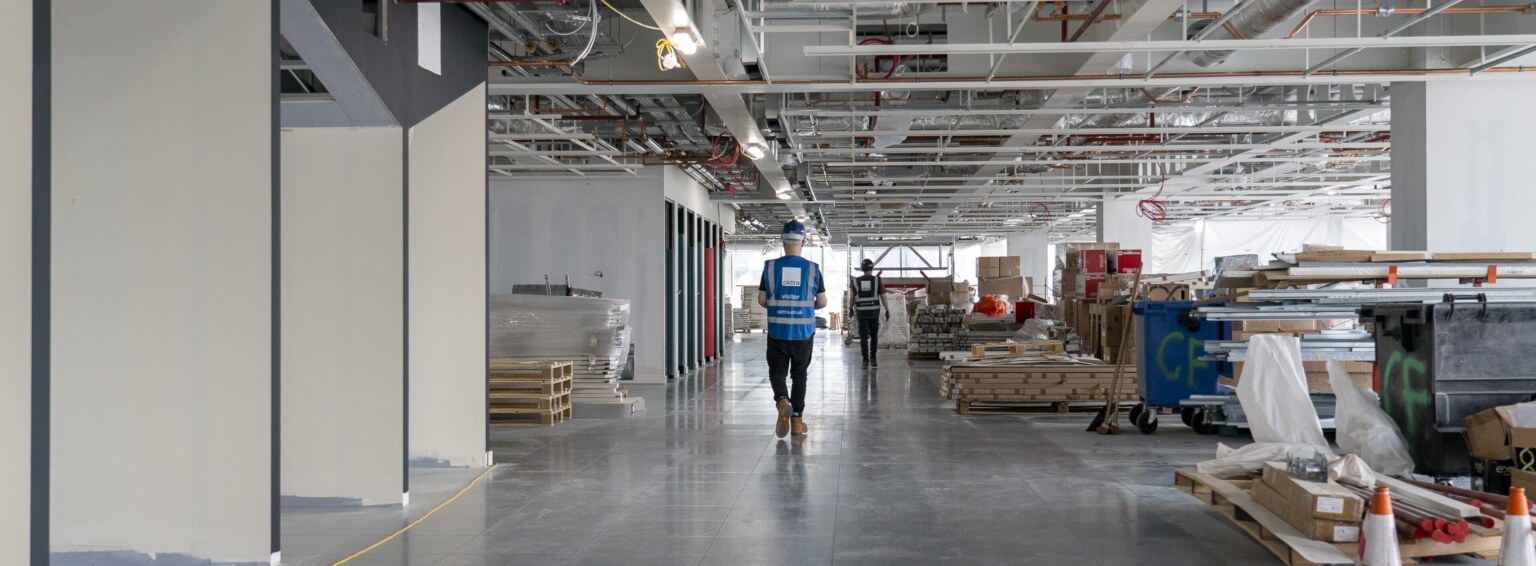
When an office is stripped out or refurbished, there can be a huge amount of value sitting within the existing space.
Flooring, ceiling tiles, furniture, appliances and fittings may no longer be required by one occupier, but that doesn’t mean they have reached the end of their useful life.
Traditionally, many of those products would enter established waste and recycling streams. A more circular approach asks whether they could be used by somebody else instead.
Making that happen at scale requires the right information, infrastructure and enough time to make decisions before strip-out begins, and that’s where our partnership with Material Index comes in.
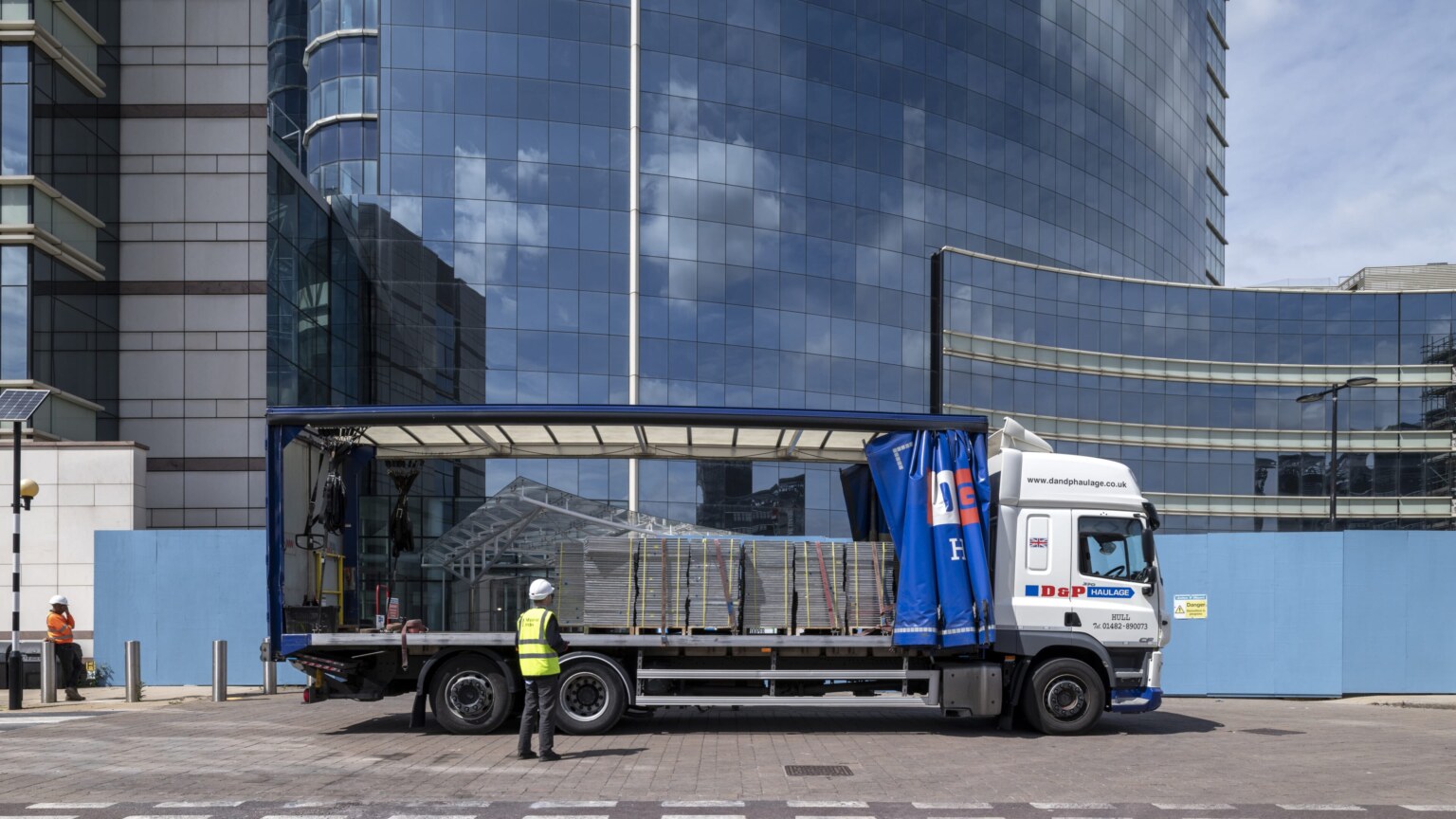
Its platform allows existing materials to be audited and catalogued, helping project teams understand what is available and identify appropriate reuse opportunities. Materials are then connected with a network of more than 300 trade partners. The process also works in reverse, allowing reclaimed, refurbished and surplus materials to be sourced for new workplace projects.
-
Moving from ambition to evidence
Measurement is another important part of the shift towards circularity. There is rightly increasing scrutiny around environmental claims, which makes demonstrating the outcomes of design and procurement decisions increasingly important.
In just two months, Material Index has audited more than 10,000 sq m across six sites on behalf of Oktra, identifying more than 3,000 tonnes of material available for reuse, with an associated potential carbon saving of 1,000 tCO₂e. Those numbers demonstrate the scale of the opportunity.
As the platform is used across more projects, it will also create a stronger evidence base around what reuse looks like in practice: what can realistically be retained, what can find a second life elsewhere, where the greatest carbon savings exist and where circularity can create commercial value.
The earlier we think about reuse, the better
One of the clearest lessons from our work in this area so far is that circularity needs to be considered early. If the question of what can be reused is only being asked once strip-out is underway, the best opportunities may already have been missed.
Identifying materials earlier means there is more time to assess them, find suitable onward uses and integrate those decisions into the programme. It also allows designers to consider second life materials as part of the design process.
Material Index gives our teams the technology, marketplace and specialist expertise to make reuse easier to integrate into projects. The next step is ensuring those opportunities are considered early enough to generate the greatest environmental and commercial value.
Making reuse a normal part of workplace design
The partnership formalises work Oktra and Material Index have already been doing together over the past year, while creating a framework to take circularity further across future projects.
As our partnership develops, the focus will be on sharing the lessons as well as the outcomes: demonstrating where reuse works, measuring its impact, and using project data to build a clearer picture of what circular design and fit out can achieve.
Ultimately, material reuse needs to become less of an exception and more of a normal consideration when planning a workplace project.
Related Content
-
Find out more

News | 5 min read
Oktra launches first Impact Report as a Certified B Corporation
-
Find out more
Articles | 6 min read
Changing the Conversation Around Sustainability in Workplace Design: A Q&A with Jamie Firman
-
Find out more
Articles | 8 min read
Tackling Carbon in Construction: Oktra’s Investments into Climate Solutions