

Share

min read

Senior Content Manager
Content specialist in office design and build.
-
The modern workplace is home to more generations than ever before. From Baby Boomers to Gen Alpha, each group brings distinct values, working styles and expectations. That shapes how organisations operate, not to mention how workplaces are designed.
Or at least it should. Designing a multigenerational workplace means more than accommodating a mix of ages. It’s about creating environments that empower everyone, regardless of life stage or digital fluency.
Just as the multigenerational workforce is about people and policies, multigenerational design focuses on space and experience. It centres on the creation of physical environments to bridge generational differences, promote inclusion and support the diverse ways people work and interact.
At its core, it comes down to three key pillars: accessibility, choice and connection.
-
Accessibility: the foundation of inclusion
In today’s workplace, accessibility has evolved far beyond compliance to act as a foundation for inclusion. This shift in the design mindset has helped remove physical, sensory and technological barriers so all employees can participate fully in working life.
We’re increasingly seeing accessibility integrated into inclusive workplace strategies from day one. That means thinking about how layouts, lighting, acoustics, furniture and technology support the broadest spectrum of needs and abilities. When accessibility is embedded early, it naturally benefits every generation.
-

-
This includes features like:
- Step-free access, ergonomic workstations and adjustable furniture
- Clear wayfinding and intuitive navigation for people with visual or cognitive impairments
- Acoustically zoned areas that support neurodiverse and hearing-impaired employees
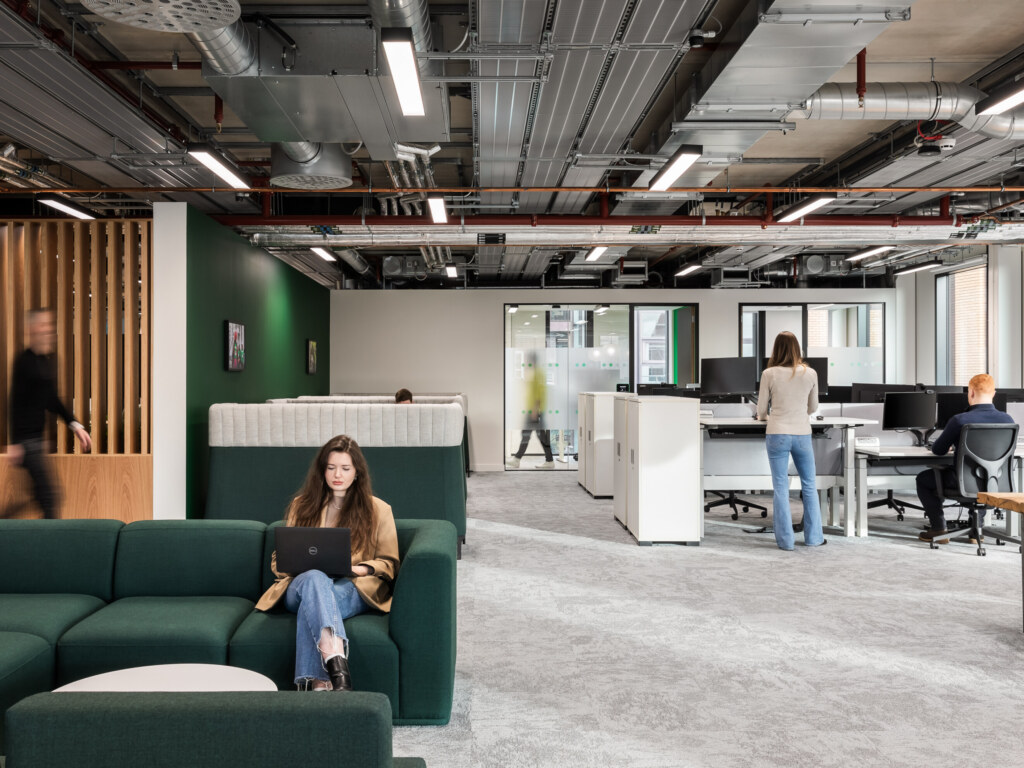
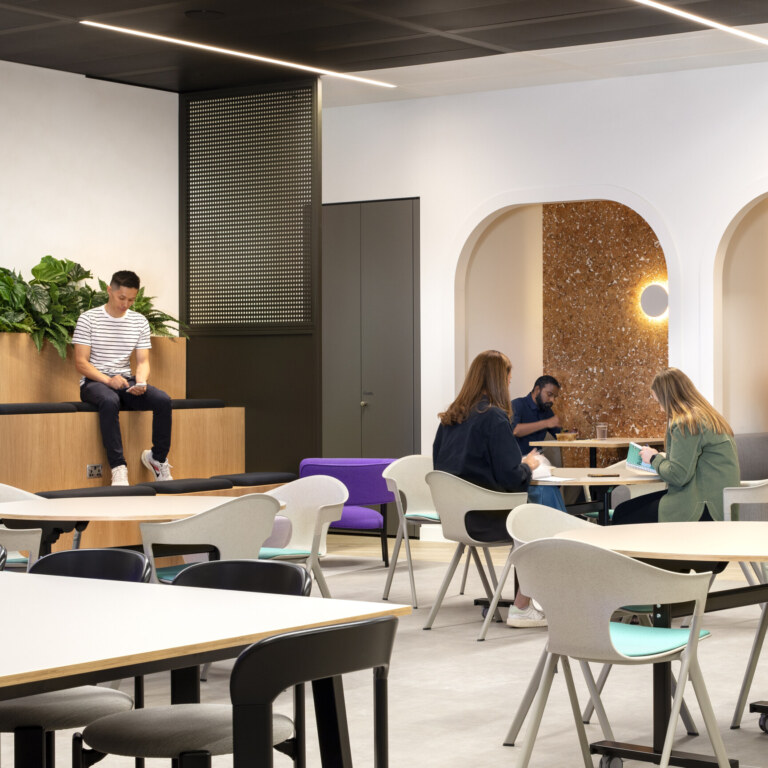
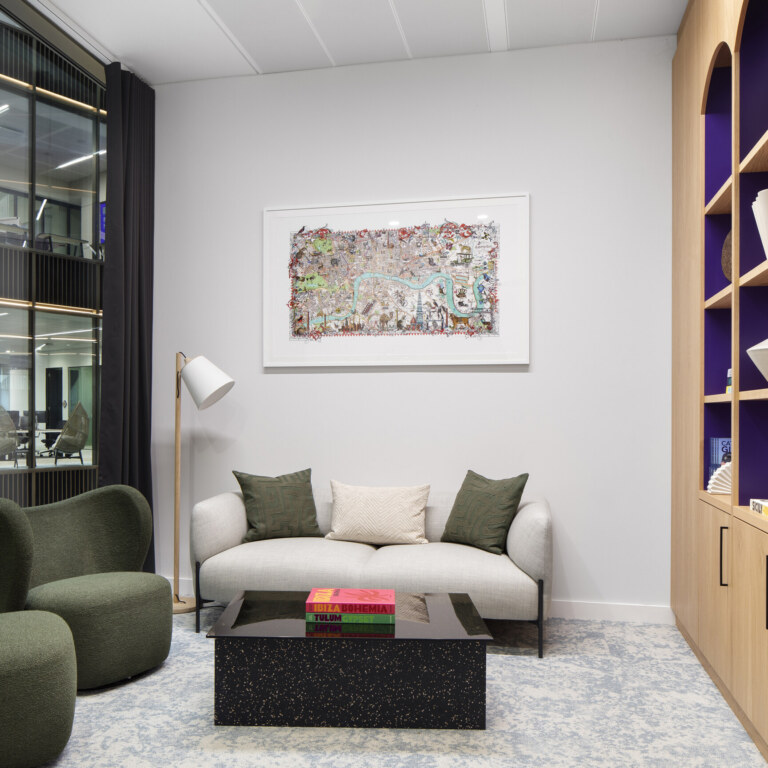
Paysafe’s London headquarters are a great example. They included dedicated quiet zones to create a space that’s inclusive for all employees. With acoustic separation between collaborative and focus areas, the office supports neurodiverse employees while giving everyone control over their work environment. The result is a balanced, flexible space that accommodates different working styles and energy levels, promoting both productivity and wellbeing across generations.
-
Accessibility also extends into the digital environment. With hybrid work now standard, intuitive and inclusive technology is essential. From room-booking tools to video conferencing, every system should be easy to use, regardless of age or tech comfort level.
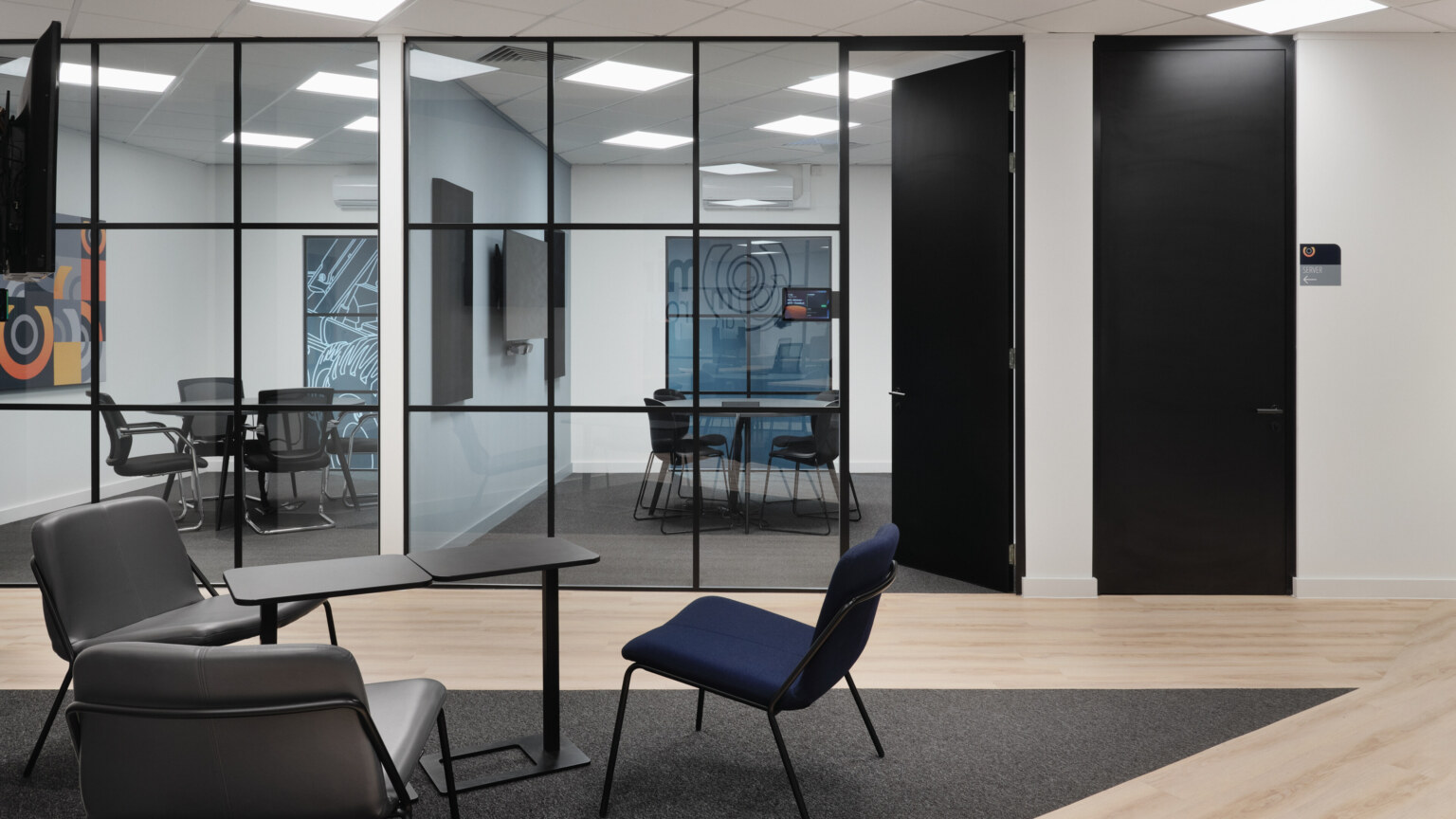
Take Minicam’s Manchester office, for example. Dedicated ‘Zoom rooms’ and one-person virtual conferencing rooms make it easy for employees to join meetings without distractions. These spaces eliminate some of the most common challenges with virtual meetings, particularly for older generations who may be less comfortable with hybrid technology.
-

-
Choice: designing for diversity of work and workers
Choice empowers people to shape their own workday. For a multigenerational team, that means creating environments flexible enough to accommodate both:
- Solitude and socialisation
- Formality and fluidity
- Analogue and digital preferences
Older generations may value stability and quiet focus spaces, while younger employees often thrive in dynamic, collaborative settings. The workplace should support both. Not one at the expense of the other.
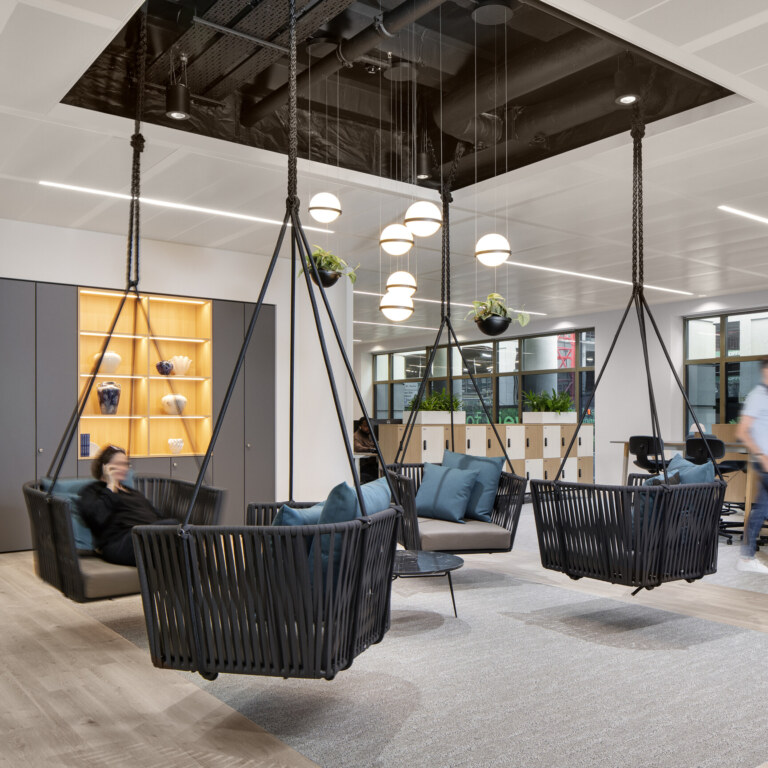
Activity-based working and workplace zoning allow employees to choose where and how they work depending on the task. From quiet libraries and phone booths to project hubs and social lounges, this spatial diversity reflects the different ways people achieve their best work.
Flexible layouts and adaptable furniture make it easy to reconfigure space as teams evolve. The result is an office that grows with the organisation and with the people inside it.
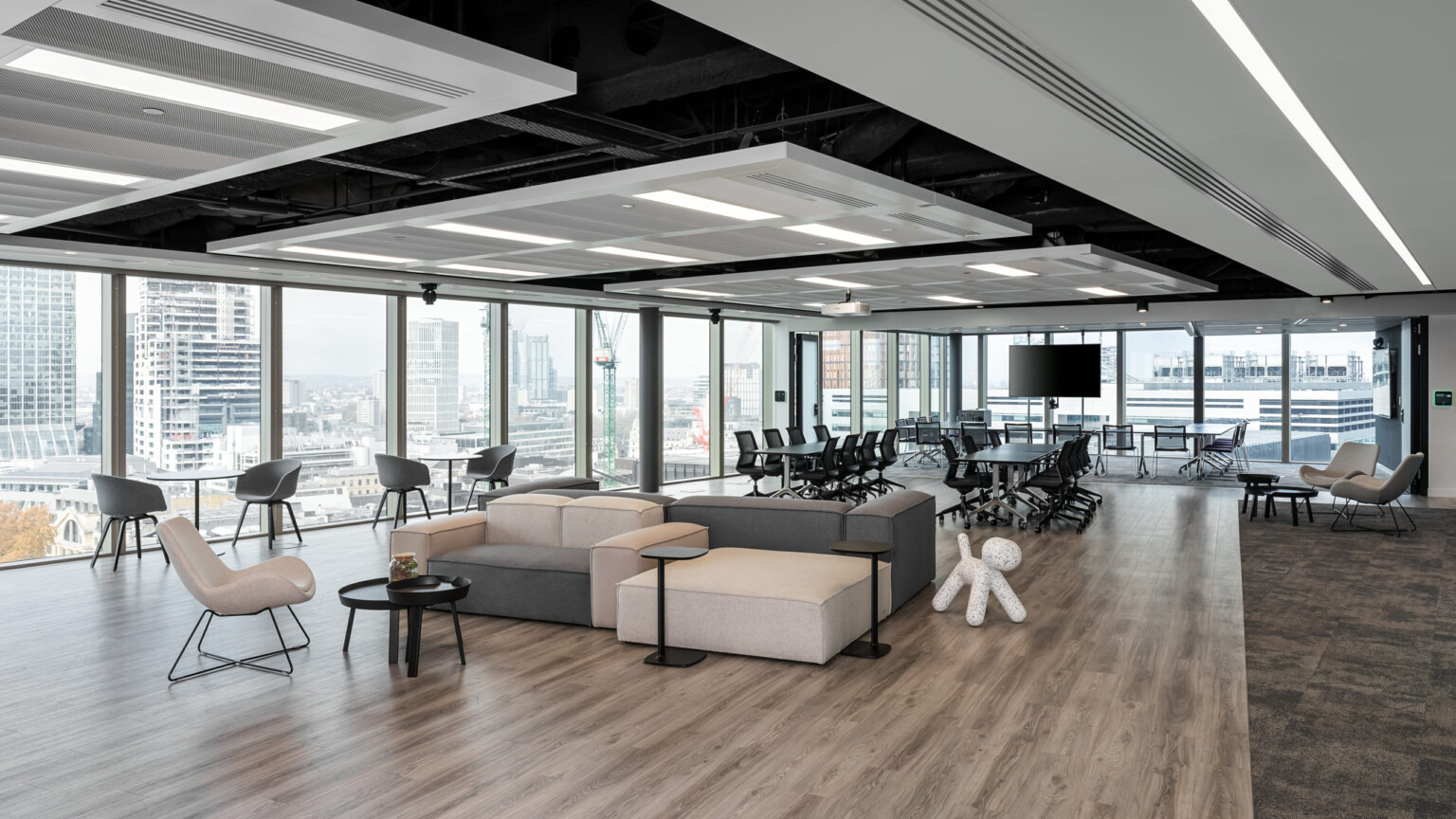
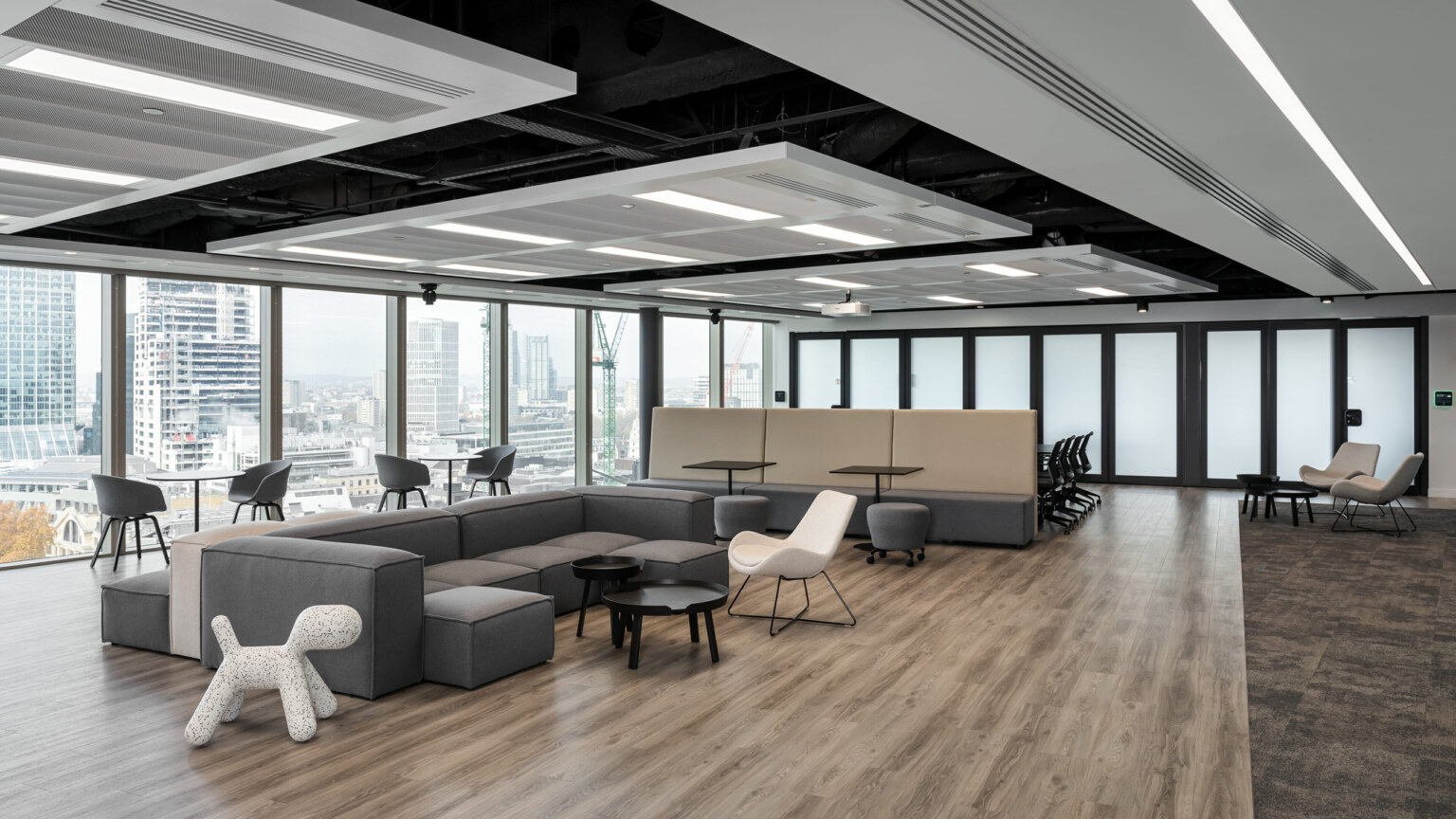
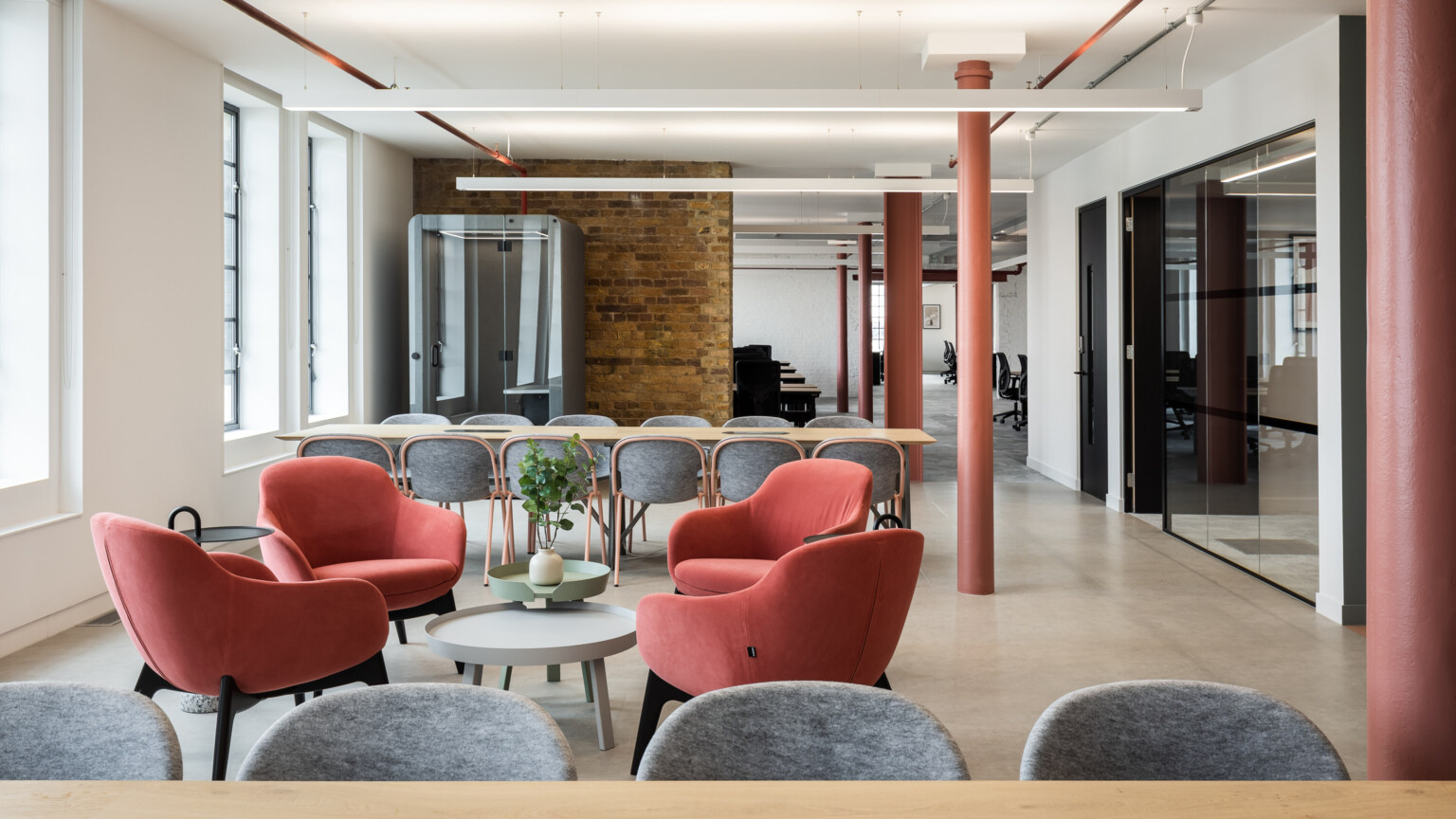
Moorhouse’s London office provides a practical example of this approach. Its Flex Zone can be configured in six different ways, with fully modular furniture and adjustable lighting to suit a variety of activities and moods. Try our image slider below to take a look at some of the options.
-
The Fold in West Kensington is another good example, where existing architecture has been used to divide the space. This avoids built partitions around the exterior for an open, flexible layout that’s adaptable based on tenants’ needs.
-
-
Connection: designing for culture and collaboration
While flexibility enables choice, connection fosters belonging. Multigenerational workplaces thrive when people can share knowledge, mentor others and learn from diverse perspectives.
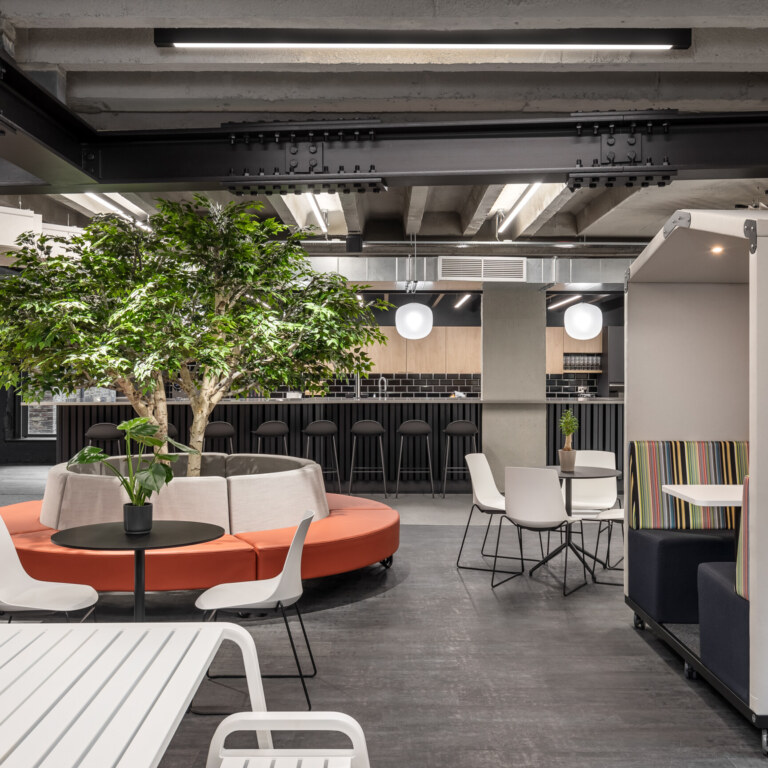
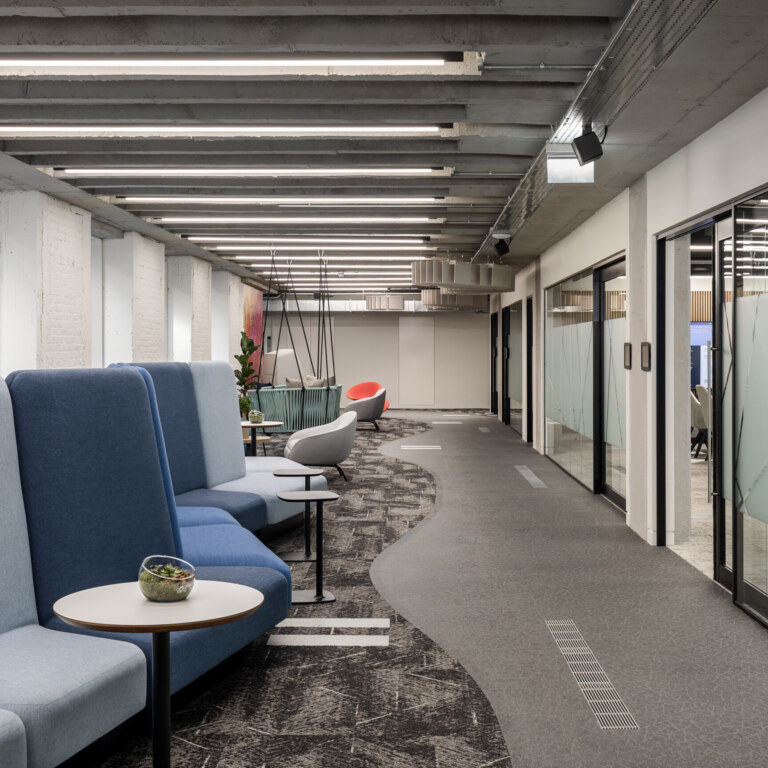
Design plays a vital role in nurturing this culture. Spaces designed for mentorship, collaboration and socialising encourage spontaneous interaction and relationship-building. This includes communal tables, coffee bars, breakout zones and training rooms.
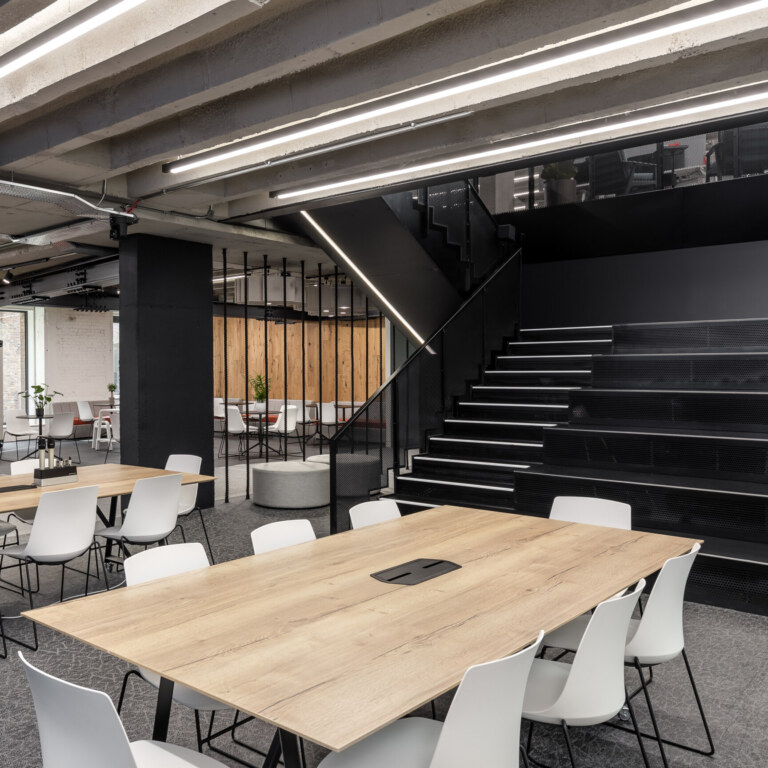
OwnBackup has taken this to the next level with a custom staircase that leads directly into their social hub. It allows employees to move between two floors without leaving to use the communal stairs or lifts. The perforated metal stairs also double as bleacher seating, increasing the capacity of the breakout space and creating a versatile area for both collaboration and social interaction.
However, cultural connection doesn’t happen through design alone. It should be supported by policy and strategy. Leadership initiatives that promote cross-generational mentorship and skill-sharing help ensure that spaces are used as intended. You want to build bridges, not silos.
-
Technology: the great equaliser (with the right approach)
Technology is the invisible infrastructure of the multigenerational workplace. But it can also be a source of exclusion if not thoughtfully designed.
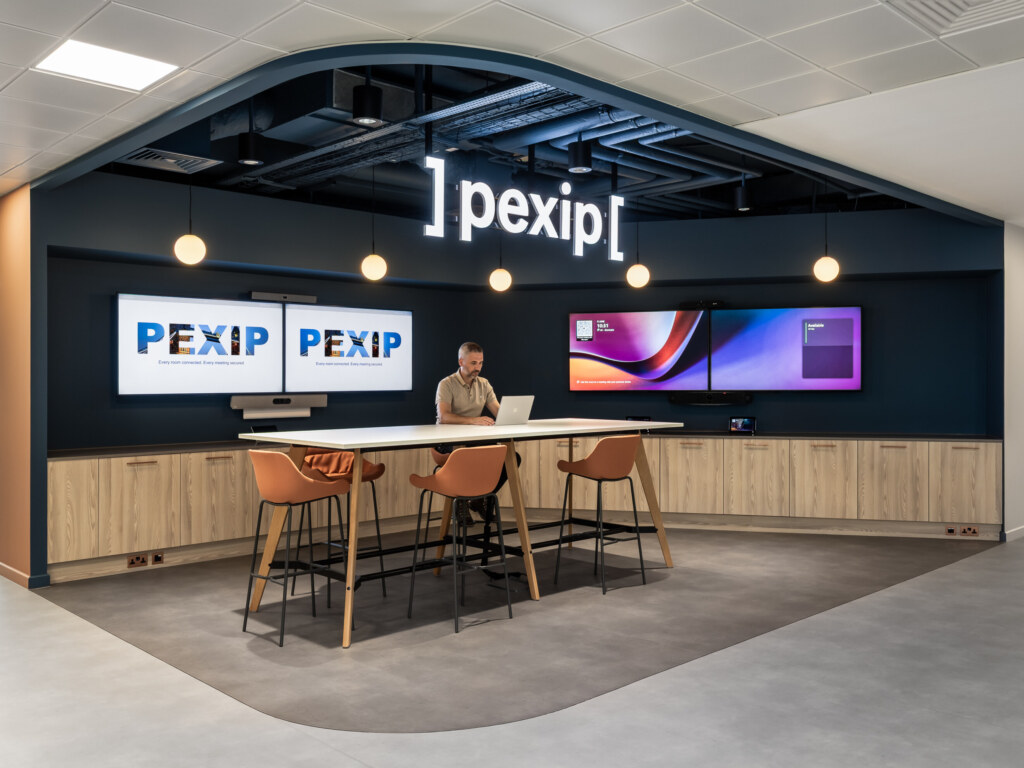
Intuitive, easy-to-use workplace tech ensures that all employees can collaborate effectively across physical and digital environments, regardless of their age or generation. This is particularly critical in the hybrid era, where teams span offices, homes and time zones.
-
-
From seamless video conferencing to integrated booking systems and digital collaboration platforms, technology should feel natural, not forced.
However, successful technology integration isn’t just about implementing tools. It’s about understanding how people actually use them. This is a mindset that Oktra’s Group Creative Director, Dom Dugan, feels businesses are starting to do more often than not.
-
“The industry is experiencing a marked shift from merely gathering workplace data to engaging with employees. Organisations have recognised that while data highlights underutilised spaces, it doesn’t reveal the real problem: the ‘why’. Without direct engagement, design decisions risk being reactive rather than strategic.”
Dominic Dugan
Group Creative Director at Oktra
-
Flexibility and future-proofing
Designing for multiple generations today also means anticipating those of tomorrow. Gen Z and the emerging Gen Alpha are reshaping what “work” means, seeking authenticity, autonomy and purpose in their professional lives.
Workplaces that succeed with these future generations will be:
- Tech-integrated but human-centred
- Sustainably designed, reflecting environmental values
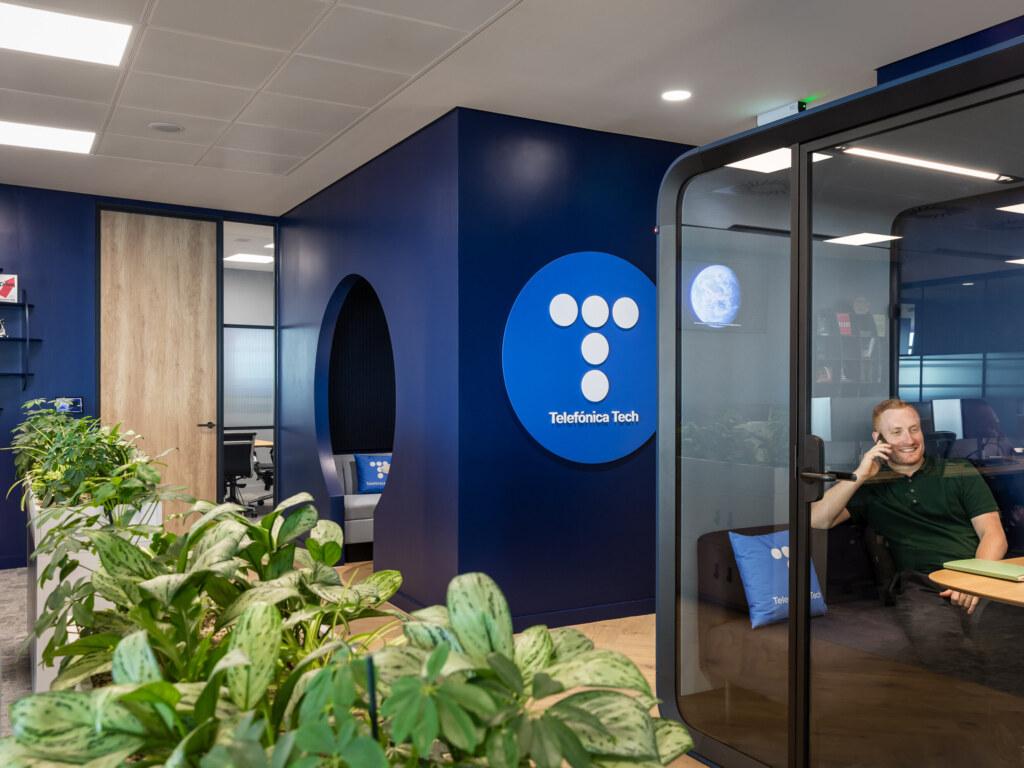
- Modular and adaptable, ready to evolve with shifting team structures and technologies
-
-
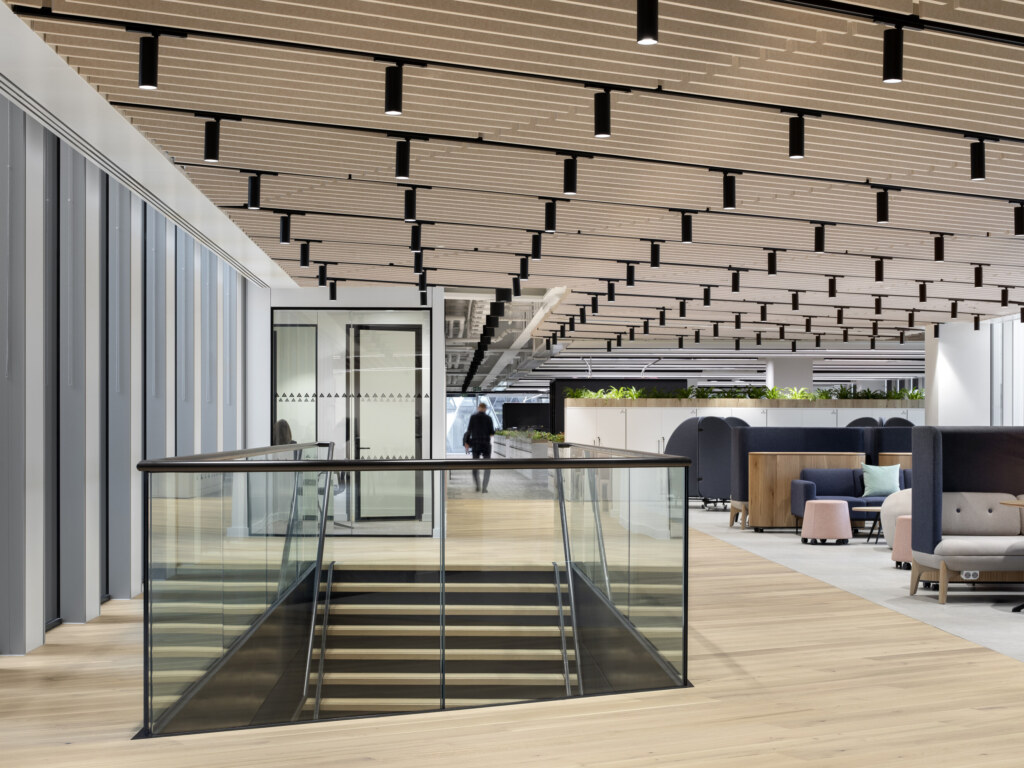
By embedding flexibility now, organisations can stay resilient in the face of change and create environments that support tomorrow’s workforce as effectively as today’s. The principles behind agile workspace design offer a useful lens here, helping businesses adapt their space in line with evolving needs.
-
-
Designing for all: performance, people and purpose
Multigenerational design goes beyond aesthetics. It’s a strategy for inclusion, engagement and longevity. A well-designed workplace offers:
- Accessibility for every user
- Choice in how and where to work
- Opportunities for meaningful connection
Above all, it’s about recognising that great design doesn’t prioritise one generation over another. It brings them together.
When organisations design with people, not just for them, they create workplaces that are not only inclusive and adaptable but also inspiring places to work for everyone, at every stage of life.
-
-
Multigenerational workplace design FAQs
-
 Why is it important to design for multiple generations?
Designing for multiple generations ensures that workplaces accommodate different needs, preferences and abilities. It improves engagement, collaboration and retention while supporting hybrid working and flexible work styles.
What are the key principles of multigenerational design?
The three core pillars are:
- Accessibility: Removing physical, sensory and technological barriers
- Choice: Providing flexible spaces to support different working styles
- Connection: Creating opportunities for collaboration, mentorship and social interaction
How can workplaces be made accessible for all generations?
Accessibility includes step-free access, adjustable furniture, acoustically zoned spaces, clear wayfinding and intuitive digital tools. These features support employees with diverse abilities and ensure everyone can work comfortably.
How does activity-based working support multigenerational teams?
Activity-based working and workplace zoning give employees the flexibility to choose spaces based on their task or mood, from quiet focus areas to collaborative hubs. This accommodates the differing preferences of younger and older generations.
How can workplaces remain future-proof?
Future-proof workplaces are modular, flexible and technology-ready. They anticipate evolving team structures, hybrid work patterns and the expectations of Gen Z and Gen Alpha, while integrating sustainability and human-centred design principles.
-
 Why is it important to design for multiple generations?
-
Contact us
Get in touch to discuss your potential fit out costs
020 7553 9500
info@oktra.co.uk
-
"*" indicates required fields
Related content

-
Want updates on similar new content? We’ll send you an email a month with new insights when you join our mailing list.
JOIN THE LIST
