Share

min read

Senior Content Manager
Content specialist in office design and build.
-
Determining how much office space your business needs is one of the most important early decisions in any relocation or refurbishment project. The amount of space you choose shapes almost everything about how your workplace feels and functions – from cost and comfort to productivity and long‑term flexibility. But there isn’t a single number that works for every organisation.
Your ideal footprint depends on how your teams work, how often they come into the office, the types of work they carry out and the mix of spaces they rely on. Hybrid working, collaboration requirements, sector norms and the size of your headcount all influence the amount of space you should plan for.
This guide explains the variables that matter, outlines the latest UK space standards and provides a clear calculation method to help you estimate your requirements with confidence.
Table of contents
- What factors impact how much office space you need?
- How much office space do you need per employee?
- What types of spaces do you need to account for?
- How to calculate how much office space you need
- Does hybrid working mean you need less office space?
- Do office space requirements vary by sector?
- Office space calculator
- Does your working style impact how much office space you require?
- The impact of growth plans
- FAQs
-
What factors impact how much office space you need?
There are several factors that determine your total space requirement, and they rarely operate in isolation. Modern workplaces aren’t planned around a fixed number of desks but around how people actually use the environment.
For some organisations, that means prioritising collaboration and shared spaces; for others, it means allowing more room for confidentiality, equipment or specialist tasks.
Your space need will be shaped by:
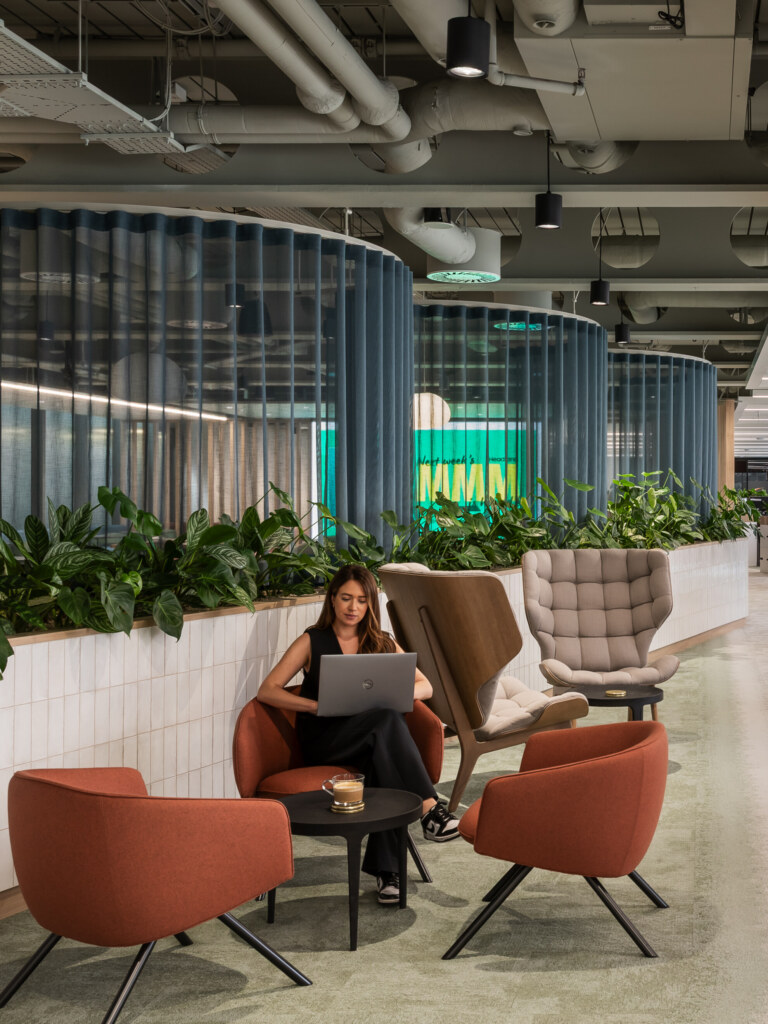
- Office layout: The mix of work settings — desks, meeting rooms, collaboration areas, social spaces and support zones — and how they fit together.
- Hybrid working patterns: Peak attendance levels determine desk demand, while hybrid collaboration often increases the need for small and medium meeting rooms.
- Sector-specific requirements: Privacy, acoustics, equipment, client space and storage can all increase per‑person space needs.
- Workplace culture: Whether teams work independently or closely together, how mobile they are, and how much informal interaction is encouraged.
With these variables in mind, the first step is understanding the benchmark space allocation per person before layering on the additional spaces your business requires.
-
How much office space do you need per employee?
When businesses start thinking about their ideal office size, this is usually the first question they ask – and for good reason. It’s the quickest way to get a sense of scale before you start shaping layouts or shortlisting buildings.
Most modern workplaces use 80–100 sq ft per person as their starting point for workstation space. This range gives people enough room to work comfortably, move around easily and use the equipment they need without creating a footprint that’s larger than necessary.
But this benchmark is only a guide. How you land within that range depends on the type of work your teams do and the experience you want your office to deliver.
Higher‑density workplaces (closer to 60 sq ft per person)
These environments tend to be open, collaborative and built around shared spaces rather than assigned desks. They often suit start‑ups, coworking environments and tech teams that are highly mobile throughout the day.
Medium‑density workplaces (around 70–80 sq ft per person)
This is where many businesses sit – a balanced mix of desks, collaboration areas and meeting rooms. Employees have enough space for focused work while benefiting from breakout areas and project spaces.
Lower‑density workplaces (100 sq ft+ per person)
Some sectors naturally require more personal space, whether for privacy, equipment, confidentiality or client‑facing work. Legal, finance and certain professional services teams often fall into this category.
Understanding where your organisation sits on this spectrum helps you build a more accurate brief, and prevents overestimating the amount of space you actually need.
Listen below to Oktra’s Creative Director, Dominic, as he shares his knowledge on office space requirements.

-
What types of spaces do you need to account for?
Once you’ve established a baseline for workstation space, the next step is understanding all the other areas that contribute to your total footprint. An office isn’t just desks, and that’s been emphasised to a much greater extent in recent times. Your calculation also needs to factor in the collection of settings that support different types of work throughout the day.
Most workplaces include a mix of focus spaces, meeting rooms, collaboration areas and social zones. Each carries its own space requirement, and together they shape how your office functions.
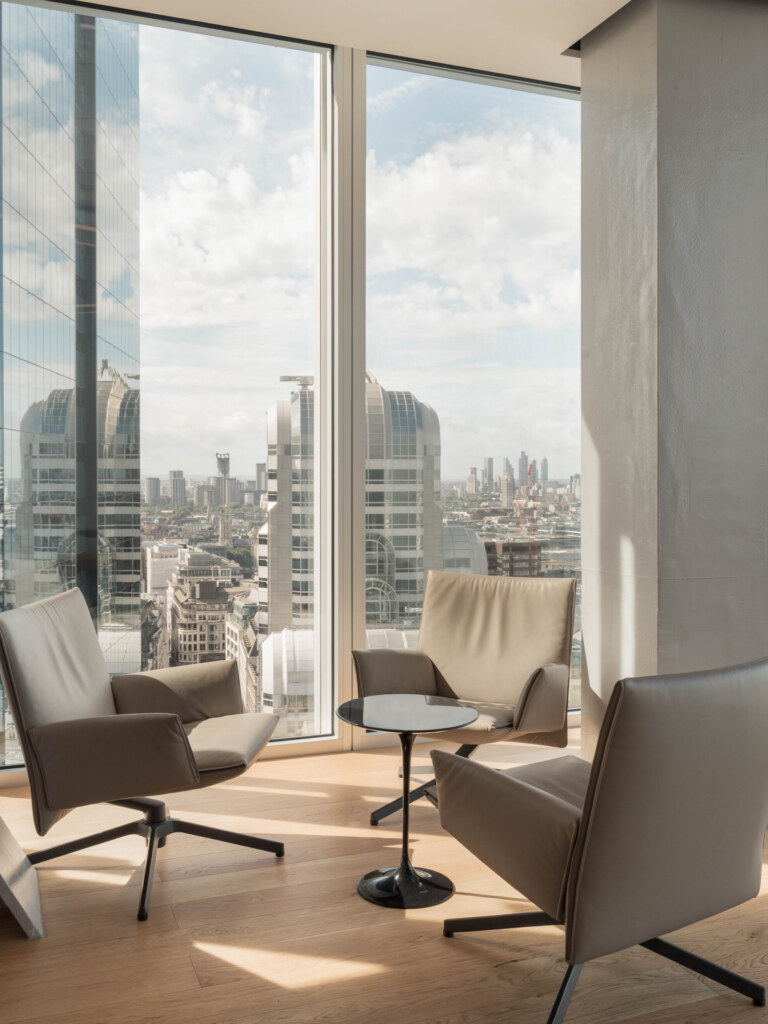
Below are the typical UK space standards for commonly used areas. These standards aren’t rigid rules, but they provide a helpful baseline when building an initial space budget. The exact mix you choose will depend on how your teams collaborate, the level of privacy you need and the ways people move through the office.
A balanced workplace combines these settings to support focus, teamwork and social connection, and ultimately creates an environment where people can work at their best.
-
Meeting rooms
- Small meeting room (2–4 people): 100-150 sq ft
- Medium meeting room (4–8 people): 150-250 sq ft
- Large meeting room (10–12 people): 250–300 sq ft
- Boardroom (15–20 people): ~400 sq ft
Private and focused workspaces
- Private office: 100–250 sq ft, depending on role and storage needs
- Focus room / phone booth: 20–35 sq ft
Shared and collaborative areas
- Project or collaboration zone: 30–50 sq ft per person
- Breakout / social spaces: 15–30 sq ft per person
- Touchdown points: Highly variable but typically smaller footprints
Support spaces
- Front of house / reception: 160–900 sq ft
- Comms room: 50–100 sq ft
- Print & mail area: 64–215 sq ft
- Tea point / kitchen: 61–187 sq ft
- Games or wellness area: 200–1,000 sq ft
-

-
Accounting for circulation space
Circulation space is the area people use to move through the office, including corridors, walkways around desks, routes to meeting rooms and access to shared amenities. It’s a crucial part of ensuring your workplace feels comfortable and easy to navigate.
Most offices allocate 15–25% of their total floor area to circulation. Lower‑density workplaces with wider walkways and more enclosed rooms typically sit at the higher end of this range, while open‑plan environments may require less.
Including circulation in your plans early on helps avoid overcrowded layouts and ensures your teams can move freely without disrupting others.
-
How to calculate how much office space you need
Once you have an idea of how your teams work and the types of spaces you need, you can turn that insight into a practical estimate. A simple formula gives you a starting point before you refine it with real data and workplace strategy.
Total office space = (Number of people × Space standard per person) + Circulation space + Support spaces
Let’s look at this in practice, using the example of a company with a headcount of 100 in a medium-density workplace. This business might begin with the following calculation:
- Workstations: 100 × 80 sq ft = 8,000 sq ft
- Circulation at 20%: 1,600 sq ft
- Support spaces at 8%: 640 sq ft
- = Estimated total: 10,240 sq ft
This number will shift depending on your working style, collaboration needs and attendance patterns. Hybrid teams, for instance, often require fewer desks but more meeting rooms and group spaces.
A calculation is only the first step, helping you scope your property search and start conversations confidently, but the detail comes from analysing how your people actually work.
-
Does hybrid working mean you need less office space?
Hybrid working has changed how often people come into the office — but it hasn’t created a simple equation where fewer people automatically means less space. In reality, the impact of hybrid working is more nuanced.
Most businesses do reduce their overall desk numbers once they understand their true peak attendance. If only 50–70% of your team is typically in the office at the same time, you don’t need a one-to-one desk ratio.
But hybrid patterns also increase demand for:
- Small and medium meeting rooms (for hybrid calls)
- Project and collaboration zones
- Touchdown spaces for employees who come in for a few hours
- Social and community areas that bring teams together
So while hybrid working may lower your workstation requirement, it often raises space needs elsewhere. The businesses that benefit most from hybrid working aren’t shrinking their offices dramatically — they’re reshaping them.
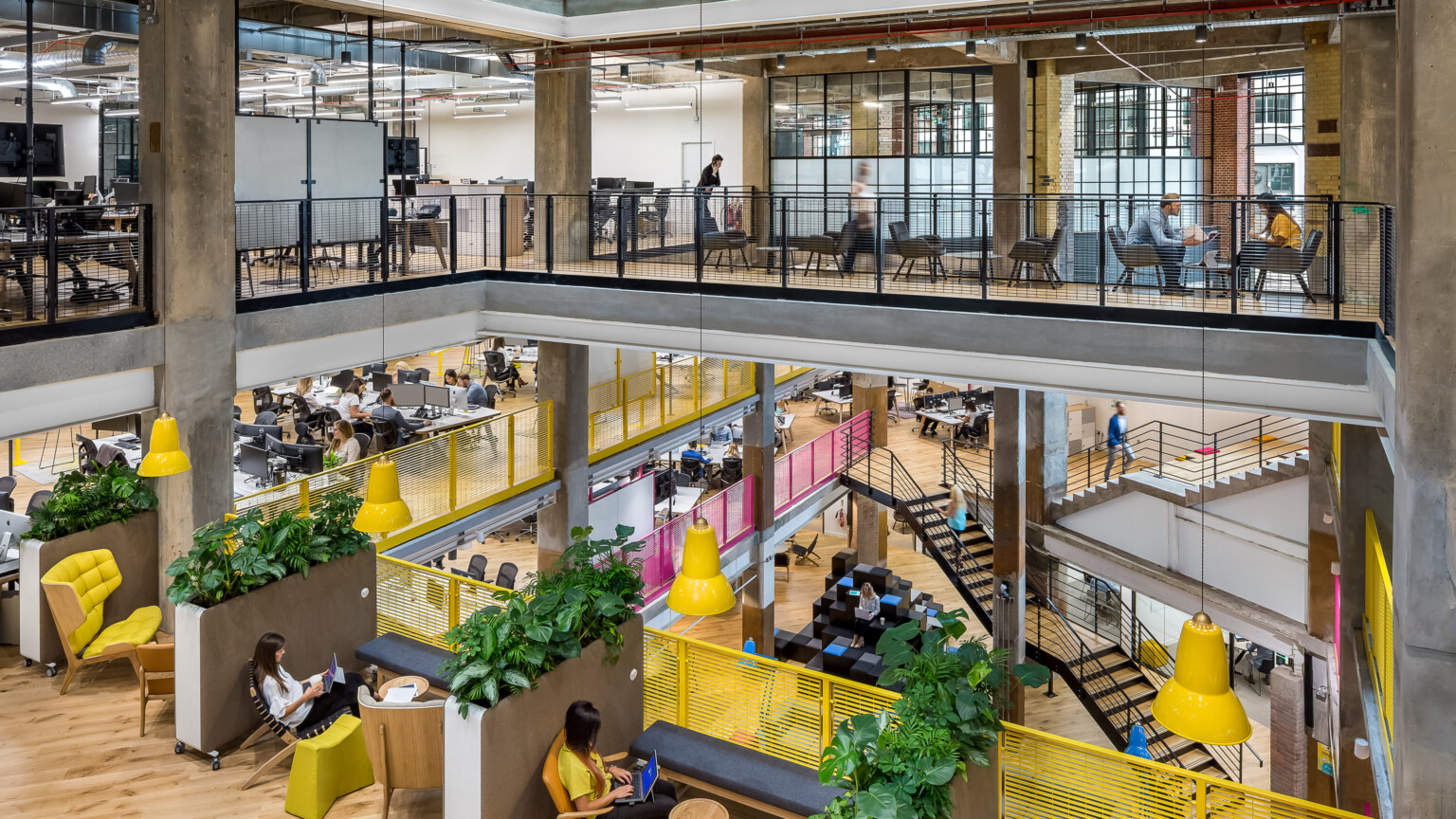
Trainline (55,000 sq ft in Holborn) and Withers and Rogers (8,300 sq ft in London Bridge) redesigned their London offices with hybrid working in mind, incorporating hot desks, quiet zones, and interactive workspaces to support a flexible workforce and refresh their ways of working.
The key question isn’t “Do we need less space?” but “Do we need a different mix of spaces?”
-
Do office space requirements vary by sector?
The specific working styles and requirements for each sector can significantly influence how much space a business will need. While the 80-100 sq ft per person benchmark is a useful starting point, different industries have different demands when it comes to privacy, equipment, collaboration and client interaction. Below are some examples of how this might work across different industries.
-
Coworking and Start-up offices
100-125 sq ft per personThe amount of space needed for employees in a start-up or coworking environment typically falls in the 75–100 sq ft range. These workplaces often prioritise flexibility and collaboration. Open‑plan layouts, shared amenities and high mobility allow for higher density without compromising the working experience.
The 24,100 sq ft coworking hub for Plus X Innovation in Brighton is tailored for start-ups and scale-ups. The space maximises usability with modular work zones, communal workspaces, and acoustically optimised areas, ensuring teams can collaborate without distractions.
-


-
Tech, Gaming and Media offices
100-200 sq ft per personIn the TMT sector, space requirements per employee might be slightly higher at around 100–200 sq ft per person. This is because creative teams typically need more collaborative areas, project spaces and AV‑enabled rooms. Their environments blend focused work with rapid group interaction, which increases overall space demand.
One example of this is Double Eleven’s 90,000 sq ft headquarters in Middlesbrough. The space combines gaming areas, soundproof editing suites and open collaboration spaces, allowing teams to switch between focused work and group projects.
-

-
Legal, Finance and Insurance offices
200-500 sq ft per personThe professional services sector often requires larger offices due to confidentiality, private meeting rooms and more formal front‑of‑house areas. The need for acoustic control and secure storage also contributes to higher space allocations. Firms might choose to allocate anywhere between 200–500 sq ft per person, depending on how they view the role of their workplace for both client and employee experience.
Preston Turnbull’s 10,000 sq ft workspace, for example, blends privacy with modern efficiency. Soundproofed offices, enclosed meeting rooms, and high-spec boardrooms balance privacy with modern efficiency.
-

-

-
Office Space Calculator
Work out exactly how much office space you need using our office space calculator.
CALCULATE OFFICE SPACE

-
Does your working style impact how much office space you require?
It’s recommended that you understand your preferred working style ahead of relocating your office. If you don’t have enough workspace, it won’t be possible to successfully implement certain ways of working. By carrying out a workplace study, you can gain insights and real data into your workplace to make an informed decision about implementing new ways of working or how to enhance the current operation of your office.
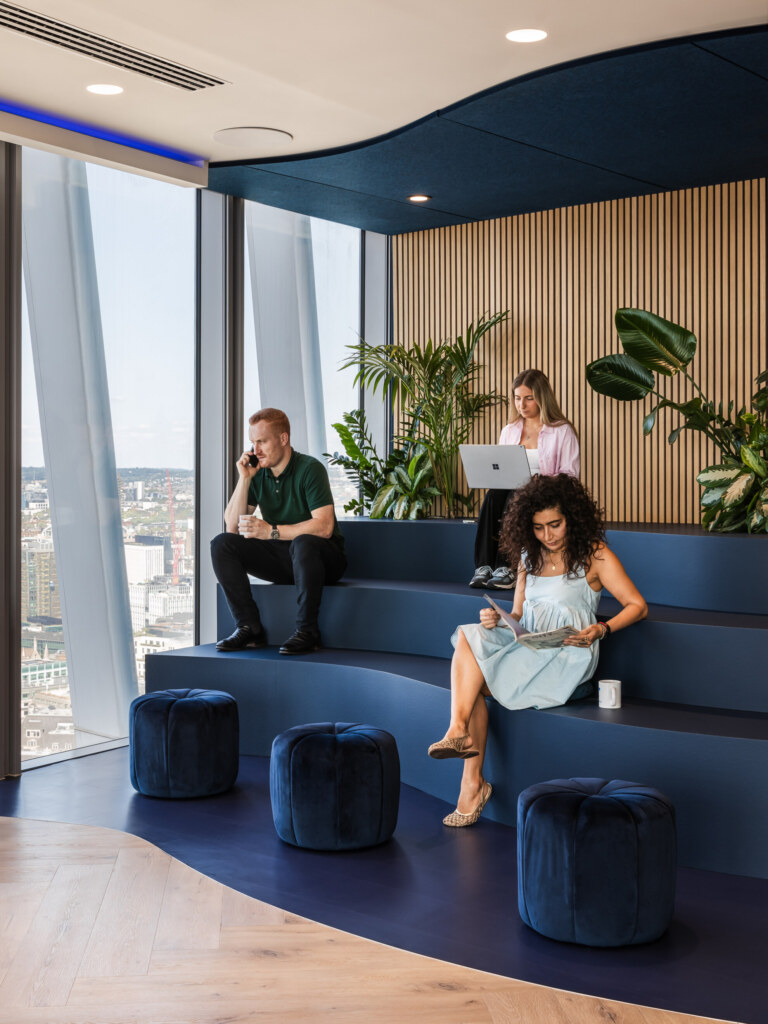
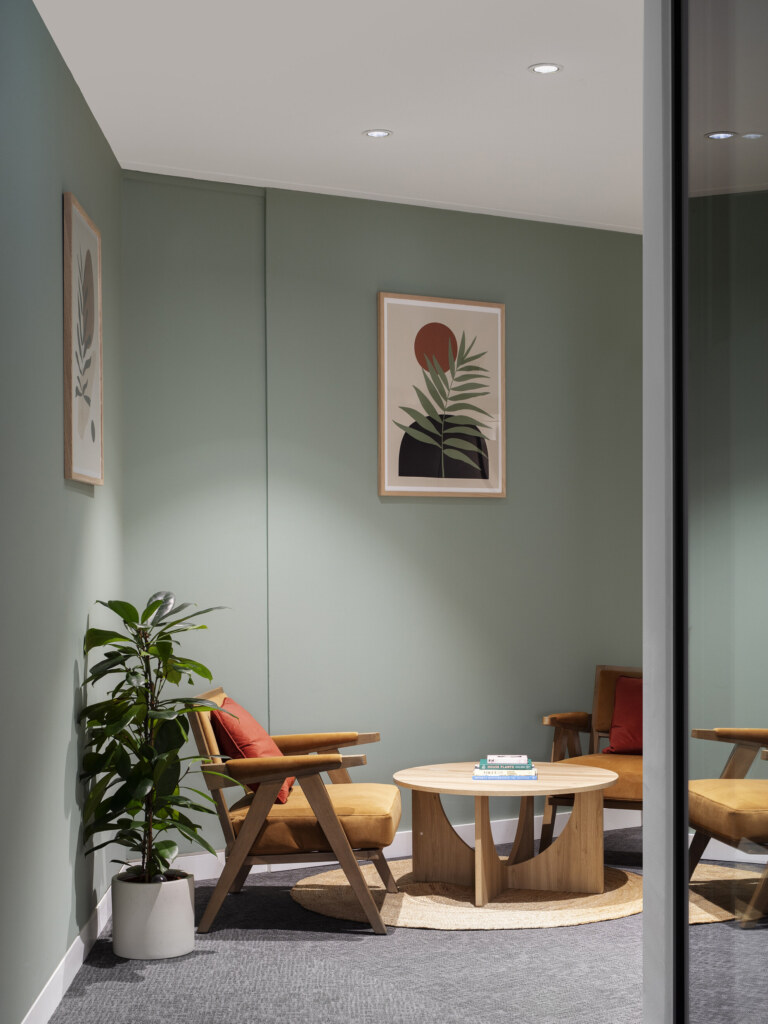
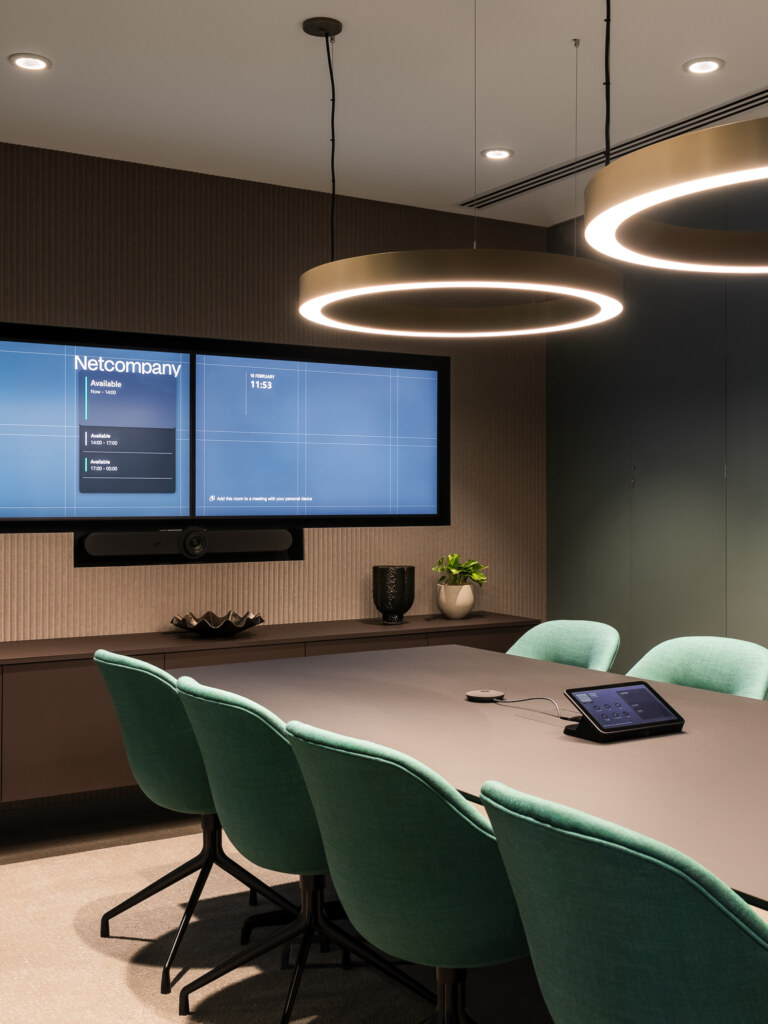
When it comes to choosing the best working style for your company, most modern offices will operate with a degree of flexibility but the extent of this will be determined by the type of work you do. There are undeniable benefits associated with some of the more popular ways of working like hybrid, agile and flexible working but there are also some subtle differences which will determine how much office space you need.
-
The impact of growth plans
When you are initially deciding on what the right amount of office for your business is, you should be planning for now but also for the future. Moving to a new office may bring new operational or strategic goals to your organisation and looking at things on a mid to long-term basis may help save money or prevent another move in the future.
Depending on your plans for growth, it may be an option to take an office that is larger than you need with a view to ‘right-sizing’ in the future. This means that you can secure a property that you like and look to grow into it when you’re ready. You can also contract or expand as you need it which gives you far more control over your workplace.
Taking extra space may seem like an easy way to overspend on your office but while you are not using the space, it doesn’t need to remain unoccupied. Companies that take on more space than they need can sublet their extra space and charge rent to another company that occupies the space on a short-term lease. This is a good way of covering the rental costs until you are ready to take the space back on.
-
The future of office space
Finding the right amount of office space isn’t about following a single rule. It’s about understanding how your people work, how your space supports them and how your business is likely to evolve.
By combining reliable space standards with a clear view of your working styles, sector needs and hybrid patterns, you can build an office that feels comfortable, efficient and ready for the future. And once you have a realistic space budget, you can make better decisions about layout, location and investment.
Whether you’re beginning an office search or rethinking your existing workplace, taking a structured approach to space planning will give you the confidence to move forward — and create a workspace that truly works for your people.
-


-
-
Office space FAQs
-
 How do I determine how much office space my business needs?
To determine your office space requirements, consider your employee count, workspace layout, and additional facilities like meeting rooms and collaboration areas. A common benchmark is 100-200 sq ft per employee, depending on sector and working style. Hybrid models may reduce desk needs but increase shared space requirements.
What is the recommended office space per employee?
Companies typically allocate 150 sq ft per employee, but this varies by industry. Coworking spaces often use 100-125 sq ft per person, while legal and finance firms require 200-500 sq ft for private offices and client spaces. Industry shifts toward hybrid work have influenced these figures.
Does hybrid working mean businesses need less office space?
Hybrid working has led some businesses to optimise space more efficiently, but rather than downsizing significantly, many are reallocating space to collaboration areas and flexible work zones.
How much office space do you need for meeting rooms and shared areas?
Office space isn’t just about desks. Meeting rooms, breakout areas, and communal spaces significantly impact total space needs. A 4-8 person meeting room requires around 150 sq ft, while larger boardrooms and reception areas may require 250-900 sq ft, depending on layout and usage.
-
 How do I determine how much office space my business needs?
-
Contact us
Speak to a workplace advisor today
020 7553 9500
info@oktra.co.uk
-
"*" indicates required fields
-
Want updates on similar new content? We’ll send you an email a month with new insights when you join our mailing list.
SIGN UP HERE
Related content
-
Find out more

Articles | 10 min read
-
Find out more

Articles | 17 min read
-
Find out more
Articles | 10 min read